Falun Gong and Victims of Forced Organ Harvesting Protection Act
Analysis under review: This bill has generated analysis that may be too generic or incomplete. Clause-level evidence remains available below.
Summary
What This Bill Does
This bill, Falun Gong and Victims of Forced Organ Harvesting Protection Act, changes federal law or congressional policy affecting foreign governments, international partners, and aid recipients. The main policy domain is Foreign Policy, Immigration, Criminal Justice.
Who Benefits and How
foreign governments, international partners, and aid recipients may benefit from new authority, funding, eligibility, regulatory clarity, or reduced risk created by the bill.
Who Bears the Burden and How
federal implementing agencies, foreign governments, international partners, and aid recipients may take on implementation duties, reporting obligations, compliance costs, or oversight responsibilities.
Key Provisions
- Section H501F0A13050E4FFA88784BC32D1134E8: 1. Short title This Act may be cited as the Falun Gong and Victims of Forced Organ Harvesting Protection Act.
- Section id31f5f6542f724fa1ae2d6bbd3c5c39bd: 2. Definitions In this Act: The term appropriate congressional committees means— the Committee on Foreign Affairs of the House of Representatives; and the...
- Section H40428924CC9A4334BA84A9BB3E1DEB6A: 3. Imposition of sanctions with respect to forced organ harvesting within the People’s Republic of China The President shall impose the sanctions described in...
- Section H6B865330AD1C4F10BEACD8152157FE14: 4. Report on organ transplant policies and practices of the People’s Republic of China Not later than one year after the date of the enactment of this Act, the...
- Section H6CD7F415108E4DCBBD50DDE42F462DEB: 5. Exception relating to importation of goods The authorities and requirements to impose sanctions authorized under this Act shall not include the authority or...
Evidence Chain:
This summary is generated from the full bill text using AI analysis. Expand "Detailed Analysis" below for identified beneficiaries/burden bearers with clause-level evidence links.
At a Glance
What This Bill Does
This bill, Falun Gong and Victims of Forced Organ Harvesting Protection Act, changes federal law or congressional policy affecting foreign governments, international partners, and aid recipients.
Key Policy Areas
Foreign Policy, Immigration, Criminal Justice
Primary Purpose
This bill, Falun Gong and Victims of Forced Organ Harvesting Protection Act, changes federal law or congressional policy affecting foreign governments, international partners, and aid recipients.
Policy Domains
Whole bill
Identified Gains
- foreign governments, international partners, and aid recipients
Identified Costs
- federal implementing agencies
- foreign governments, international partners, and aid recipients
Sponsors
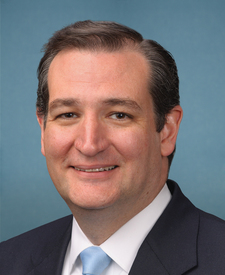
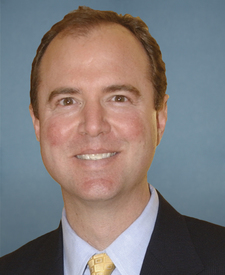


Legislative Progress
ReportedCommittee on Foreign Relations. Ordered to be reported with an …
Read twice and referred to the Committee on Foreign Relations.
Introduced in Senate
Mr. Cruz (for himself and Mr. Merkley) introduced the following …
Impact analysis is available but no clear stakeholder effects identified. View clause-level analysis →
Bill Structure & Actor Mappings
Who is "The Secretary" in each section?
- "secretary_of_health_and_human_services"
- → Secretary of Health and Human Services
Key Definitions
Terms defined in this bill
that a person had actual knowledge, or should have known, of the conduct, the circumstance, or the result. The term United States person means— a United States citizen or an alien lawfully admitted for permanent residence to the United States
We use a combination of our own taxonomy and classification in addition to large language models to assess meaning and potential beneficiaries. High confidence means strong textual evidence. Always verify with the original bill text.
Learn more about our methodology