To address the fundamental injustice, cruelty, brutality, and inhumanity of slavery in the United States and the 13 American colonies between 1619 and 1865 and to establish a commission to study and consider a national apology and proposal for reparations for the institution of slavery, its subsequent de jure and de facto racial and economic discrimination against African Americans, and the impact of these forces on living African Americans, to make recommendations to the Congress on appropriate remedies, and for other purposes.
Analysis under review: This bill has generated analysis that may be too generic or incomplete. Clause-level evidence remains available below.
Summary
What This Bill Does
This bill creates a 13-member federal commission to investigate the history and ongoing effects of slavery in the United States, from 1619 to 1865, and the discrimination that followed. The commission would study how slavery and subsequent policies like Jim Crow, redlining, and unequal education have harmed African Americans, and then recommend specific forms of reparations or compensation.
Who Benefits and How
African Americans, particularly descendants of enslaved people, are the primary intended beneficiaries. If the commission's recommendations are enacted, they could receive compensation, educational programs addressing the history and ongoing effects of slavery, or other forms of restitution. Civil society and reparations organizations that have advocated for reparatory justice would gain formal recognition, as six of the commission's 13 members would be selected from these groups.
Who Bears the Burden and How
Federal taxpayers would fund the commission's work, with $12 million authorized for its operation. If the commission recommends financial reparations, future taxpayers could face additional costs depending on what compensation programs Congress ultimately enacts. Federal agencies would be required to cooperate with the commission and provide requested information.
Key Provisions
- Establishes a 13-member commission with appointments from the President, Congress, and civil society organizations focused on reparatory justice
- The commission has one year to investigate slavery's legacy, including the roles of federal, state, and private institutions
- Must examine ongoing effects including the racial wealth gap (African Americans having less than 1/16th the wealth of White families), incarceration rates, and unemployment disparities
- Must recommend specific remedies including how compensation would be calculated, who would be eligible, and what form it would take
- Authorizes $12 million in funding and gives the commission subpoena power to compel testimony and documents
Evidence Chain:
This summary is generated from the full bill text using AI analysis. Expand "Detailed Analysis" below for primary purpose and policy domains.
At a Glance
What This Bill Does
Establishes a commission to study the impact of slavery in the US, propose reparations for African Americans, and address historical injustices.
Key Policy Areas
Civil_rights, Education, Justice, Social_welfare
Primary Purpose
Establishes a commission to study the impact of slavery in the US, propose reparations for African Americans, and address historical injustices.
Policy Domains
Sponsors



Legislative Progress
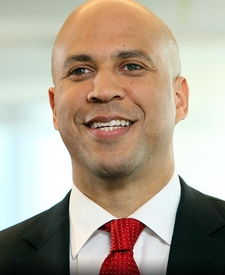
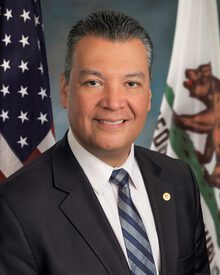
IntroducedMr. Booker (for himself, Mr. Durbin, Mr. Blumenthal, Mr. Welch, …
Stakeholder Effects
cui bono?How this legislation distributes effects. Mention counts reflect frequency, not effect magnitude.
Executive branch departments, agencies, and instrumentalities, Federal government, US Government
African American community and relevant stakeholders
Key Definitions
Terms defined in this bill
The Act is titled the Commission to Study and Develop Reparation Proposals for African Americans Act.
The Commission can hold hearings, request information from government agencies, and invoke the aid of US district courts.
The Commission will have 13 members appointed by the President, Speaker of the House, and civil society organizations.
The Commission will terminate 90 days after submitting its report to Congress.
The Commission can appoint personnel, procure services and supplies, and enter into agreements for research and reports.
$12,000,000 is authorized for the Commission's work.
The Congress acknowledges the history of slavery, its constitutional sanctioning by the US government, and ongoing discrimination against African Americans.
The Commission is tasked with studying the impact of slavery, recommending education and remedies, including compensation for descendants.
We use a combination of our own taxonomy and classification in addition to large language models to assess meaning and potential beneficiaries. High confidence means strong textual evidence. Always verify with the original bill text.
Learn more about our methodology