To address the fundamental injustice, cruelty, brutality, and inhumanity of slavery in the United States and the 13 American colonies between 1619 and 1865 and to establish a commission to study and consider a national apology and proposal for reparations for the institution of slavery, its subsequent de jure and de facto racial and economic discrimination against African Americans, and the impact of these forces on living African Americans, to make recommendations to the Congress on appropriate remedies, and for other purposes.
Summary
What This Bill Does
The bill provides findings and purpose The Congress finds that— approximately 4,000,000 Africans and their descendants were enslaved in the United States and colonies that became the United States from 1619 to 1865, creates establishment and duties There is established the Commission to Study and Develop Reparation Proposals for African Americans (hereinafter in this Act referred to as the Commission), and provides membership The Commission shall be composed of 13 members, who shall be appointed within 90 days after the date of enactment of this Act, as follows: Three members shall be appointed by the President. It relies on appropriations, compliance mandates, reporting requirements, and grants. The main policy areas are Education, Environment, Criminal Justice, and Finance.
Who Benefits and How
Environmental and public health interests affected by the bill could gain revenue opportunities, Law enforcement, justice-system actors, and affected communities could gain revenue opportunities, and Public beneficiaries or protected communities affected by the clause could face reduced risk.
Who Bears the Burden and How
Federal, state, or local agencies responsible for implementing the clause would take on compliance duties, Environmental and public health interests affected by the bill could lose revenue opportunities, and Law enforcement, justice-system actors, and affected communities would take on compliance duties.
Key Provisions
- Provides findings and purpose The Congress finds that— approximately 4,000,000 Africans and their descendants were enslaved in the United States and colonies that became the United States from 1619 to 1865.
- Creates establishment and duties There is established the Commission to Study and Develop Reparation Proposals for African Americans (hereinafter in this Act referred to as the Commission).
- Provides membership The Commission shall be composed of 13 members, who shall be appointed within 90 days after the date of enactment of this Act, as follows: Three members shall be appointed by the President.
- Provides powers of the Commission The Commission may, for the purpose of carrying out the provisions of this Act, hold such hearings and sit and act at such times and at such places in the United States, and request...
- Creates administrative provisions The Commission may, subject to subsection (b), appoint and fix the compensation of such personnel as the Commission considers appropriate.
Evidence Chain:
This summary is generated from the full bill text using AI analysis. Expand "Detailed Analysis" below for identified beneficiaries/burden bearers with clause-level evidence links.
At a Glance
What This Bill Does
The bill provides findings and purpose The Congress finds that— approximately 4,000,000 Africans and their descendants were enslaved in the United States and colonies that became the United States from 1619 to 1865, creates establishment and duties There is established the Commission to Study and Develop Reparation Proposals for African Americans (hereinafter in this Act referred to as the Commission), and provides membership The Commission shall be composed of 13 members, who shall be appointed within 90 days after the date of enactment of this Act, as follows: Three members shall be appointed by the President.
Key Policy Areas
Education, Environment, Criminal Justice, Finance
Primary Purpose
The bill provides findings and purpose The Congress finds that— approximately 4,000,000 Africans and their descendants were enslaved in the United States and colonies that became the United States from 1619 to 1865, creates establishment and duties There is established the Commission to Study and Develop Reparation Proposals for African Americans (hereinafter in this Act referred to as the Commission), and provides membership The Commission shall be composed of 13 members, who shall be appointed within 90 days after the date of enactment of this Act, as follows: Three members shall be appointed by the President.
Policy Domains
Whole bill
Identified Gains
- Environmental and public health interests affected by the bill
- Law enforcement, justice-system actors, and affected communities
- Public beneficiaries or protected communities affected by the clause
- Homeowners, tenants, or housing market participants affected by the bill
- Foreign businesses and cross-border trade participants affected by the bill
Identified Costs
- Federal, state, or local agencies responsible for implementing the clause
- Environmental and public health interests affected by the bill
- Law enforcement, justice-system actors, and affected communities
- Financial services firms and customers affected by the bill
- Educational institutions and students affected by the bill
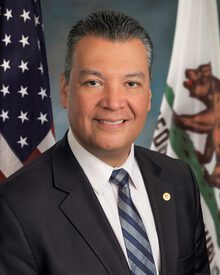
Sponsors




Legislative Progress
IntroducedMr. Booker (for himself, Mr. Durbin, Mr. Markey, Mr. Casey, …
Stakeholder Effects
cui bono?How this legislation distributes effects. Mention counts reflect frequency, not effect magnitude.
Law enforcement, justice-system actors, and affected communities
Law enforcement, justice-system actors, and affected communities faces effects in multiple directions
Bill Structure & Actor Mappings
Who is "The Secretary" in each section?
We use a combination of our own taxonomy and classification in addition to large language models to assess meaning and potential beneficiaries. High confidence means strong textual evidence. Always verify with the original bill text.
Learn more about our methodology