TREY'S Law
Summary
What This Bill Does
TREY'S Law targets nondisclosure and confidentiality clauses that silence survivors of sexual abuse committed against minors. Congress finds that these clauses can block reporting to law enforcement agencies, child protection authorities, federal regulators, Members of Congress, and courts, especially when agreements are made through interstate commerce.
The bill makes covered nondisclosure clauses unenforceable even if the contract was signed before enactment. It bars any person from enforcing or trying to enforce a covered clause and preempts state law to the extent state law would allow enforcement. States and localities remain free to enact laws that are consistent with the bill or provide greater protection.
Who Benefits and How
Survivors of child sexual abuse, minors who experienced abuse, victim advocates, law enforcement agencies, child protection authorities, federal regulators, congressional offices, and courts benefit because victims can report abuse and cooperate with investigations without being blocked by confidentiality clauses. Public safety also benefits if repeat abuse is easier to expose.
Who Bears the Burden and How
Institutions, employers, youth organizations, settlement counterparties, alleged abusers, and other parties that rely on nondisclosure clauses lose the ability to enforce covered confidentiality terms. Courts must refuse enforcement of prohibited clauses and apply federal preemption against conflicting state law. Contract drafters must account for the retroactive bar when handling old and new agreements.
Key Provisions
- Finds that nondisclosure clauses can silence survivors of child sexual abuse and obstruct reporting.
- Identifies reporting to law enforcement, child protection authorities, federal regulators, Congress, and courts as protected activity.
- Applies the bill to contracts entered before, on, or after enactment.
- Prohibits any person from enforcing or attempting to enforce a covered nondisclosure clause.
- Preempts state law that would allow enforcement of a prohibited clause.
- Preserves state and local laws that provide equal or greater protection.
Evidence Chain:
This summary is generated from the full bill text using AI analysis. Expand "Detailed Analysis" below for identified beneficiaries/burden bearers with clause-level evidence links.
At a Glance
What This Bill Does
Makes covered nondisclosure clauses involving sexual abuse of minors unenforceable, applies the ban retroactively, and preempts state law that would allow enforcement.
Key Policy Areas
Criminal Justice, Child Protection, Civil Rights
Primary Purpose
Makes covered nondisclosure clauses involving sexual abuse of minors unenforceable, applies the ban retroactively, and preempts state law that would allow enforcement.
Policy Domains
Whole bill
Identified Gains
- Child sexual abuse survivors
- Victim advocates
- Law enforcement agencies
- Child protection authorities
- Federal regulators
- Congressional offices
- Courts
Identified Costs
- Institutions using nondisclosure clauses
- Employers using confidentiality clauses
- Youth organizations using settlement agreements
- Alleged abusers
- Contract drafters
- Courts
Sponsors

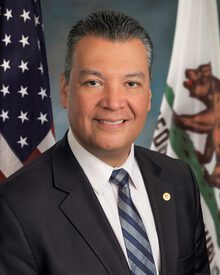


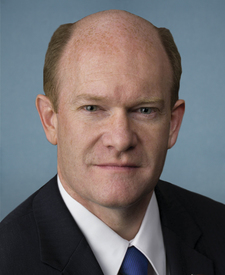
Legislative Progress
Passed SenateHeld at the desk.
Received in the House.
Message on Senate action sent to the House.
Passed Senate without amendment by Unanimous Consent. (consideration: CR S2398-2400; …
Passed/agreed to in Senate: Passed Senate without amendment by Unanimous …
Placed on Senate Legislative Calendar under General Orders. Calendar No. …
Committee on the Judiciary. Reported by Senator Grassley without amendment. …
Reported by Mr. Grassley, without amendment
Committee on the Judiciary. Ordered to be reported without amendment …
Read twice and referred to the Committee on the Judiciary.
Stakeholder Effects
cui bono?How this legislation distributes effects. Mention counts reflect frequency, not effect magnitude.
Contract drafters, Institutions using nondisclosure clauses
Bill Structure & Actor Mappings
Who is "The Secretary" in each section?
We use a combination of our own taxonomy and classification in addition to large language models to assess meaning and potential beneficiaries. High confidence means strong textual evidence. Always verify with the original bill text.
Learn more about our methodology