To amend title 35, United States Code, to provide a good faith exception to the imposition of fines for false assertions and certifications, and for other purposes.
Analysis under review: This bill has generated analysis that may be too generic or incomplete. Clause-level evidence remains available below.
Summary
What This Bill Does
This bill provides a "good faith" defense for patent applicants and filers who face fines for incorrectly claiming micro entity status or making false certifications on patent applications. Currently, making false assertions about fee eligibility can result in fines; this bill allows filers to avoid penalties if they can prove they made an honest mistake rather than intentionally misrepresenting their status.
Who Benefits and How
Small businesses, startups, and individual inventors benefit by gaining protection from fines if they mistakenly claim micro entity status (which provides 75% fee reductions at the USPTO). Patent law firms and practitioners also benefit from reduced liability exposure when advising clients on fee status. The good faith exception reduces the financial risk of honest errors in the patent filing process, which can be complex and confusing for first-time filers.
Who Bears the Burden and How
The U.S. Patent and Trademark Office (USPTO) loses some enforcement authority and may collect fewer fines from entities that incorrectly claimed fee discounts. Competitors of businesses that benefited from incorrectly claimed micro entity status may be disadvantaged if those businesses can now avoid repaying fee differences. However, intentional fraud remains punishable.
Key Provisions
- Adds a good faith exception to 35 U.S.C. 41(j), which governs fines for false micro entity status assertions
- Adds a good faith exception to 35 U.S.C. 123(f), which governs fines for false certifications on transitional patent applications
- Places the burden on the entity to demonstrate the assertion or certification was made in good faith
- Does not define "good faith," leaving interpretation to courts and the USPTO
Evidence Chain:
This summary is generated from the full bill text using AI analysis. Expand "Detailed Analysis" below for identified beneficiaries/burden bearers.
At a Glance
What This Bill Does
Amends Title 35 (Patent Law) to provide a good faith exception to fines for entities that make false assertions about patent micro entity status or false certifications regarding transitional patent applications.
Who Benefits
- Patent applicants (especially small businesses, startups, and individual inventors)
- Patent law firms and practitioners
- Companies with patent portfolios who may have made inadvertent status errors
Who Bears Costs
- USPTO (loses some penalty enforcement authority)
- Competitors of entities that incorrectly claimed fee reductions (if they face competitors who benefited from reduced fees)
Key Policy Areas
Intellectual Property, Patent Law, Legal/Regulatory
Primary Purpose
Amends Title 35 (Patent Law) to provide a good faith exception to fines for entities that make false assertions about patent micro entity status or false certifications regarding transitional patent applications.
Policy Domains
Legislative Strategy
"Reduce penalties for inadvertent errors in patent fee status assertions and application certifications by allowing entities to demonstrate good faith"
Identified Gains
- Patent applicants (especially small businesses, startups, and individual inventors)
- Patent law firms and practitioners
- Companies with patent portfolios who may have made inadvertent status errors
Identified Costs
- USPTO (loses some penalty enforcement authority)
- Competitors of entities that incorrectly claimed fee reductions (if they face competitors who benefited from reduced fees)
Sponsors

Legislative Progress
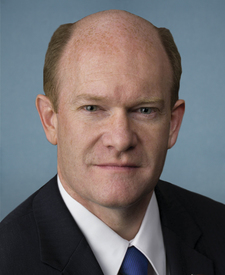
IntroducedMr. Coons (for himself and Mr. Tillis) introduced the following …
Stakeholder Effects
cui bono?How this legislation distributes effects. Mention counts reflect frequency, not effect magnitude.
Patent applicants who mistakenly claimed micro entity status, Patent law firms and practitioners advising clients on fee status
Small businesses and startups filing patent applications
Individual inventors filing patents pro se or through counsel
Bill Structure & Actor Mappings
Who is "The Secretary" in each section?
Key Definitions
Terms defined in this bill
The bill does not explicitly define good faith, leaving it to judicial interpretation. Generally means honest belief or purpose without intent to defraud.
Under 35 U.S.C. 41(h), applicants qualifying as micro entities receive 75% reduction in certain USPTO fees. Section 41(j) imposes fines on entities that falsely assert micro entity status.
Under 35 U.S.C. 123, entities may file transitional provisional applications. Section 123(f) imposes fines for false certifications related to such applications.
We use a combination of our own taxonomy and classification in addition to large language models to assess meaning and potential beneficiaries. High confidence means strong textual evidence. Always verify with the original bill text.
Learn more about our methodology