To clarify the rights of certain persons who are held or detained at a port of entry or at any facility overseen by U.S. Customs and Border Protection.
Sponsors
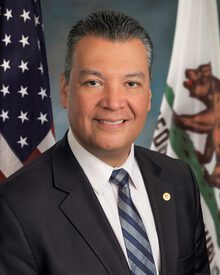
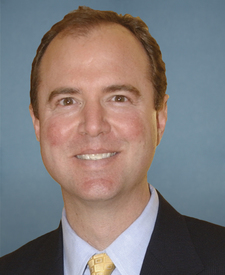

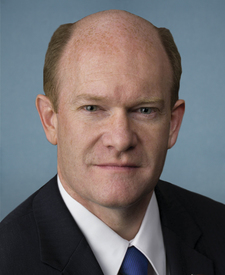

Legislative Progress
IntroducedMr. Padilla (for himself, Mr. Blumenthal, Mr. Booker, Mr. Coons, …
Summary
What This Bill Does
The Access to Counsel Act of 2025 requires the Department of Homeland Security to provide timely access to legal counsel for certain individuals undergoing secondary or deferred inspection at U.S. ports of entry. The bill mandates that covered individuals (including lawful permanent residents, visa holders, refugees, asylees, and parolees) must be given a meaningful opportunity to consult with an attorney or other legal representative within one hour of secondary inspection beginning. It also prohibits border officials from accepting abandonment of permanent resident status forms (Form I-407) without first allowing the person to seek legal advice.
Who Benefits and How
Immigration attorneys and accredited representatives gain a new market for rapid-response legal services at ports of entry, as covered individuals now have an explicit right to legal consultation during inspections. Lawful permanent residents returning from abroad receive critical protection from coerced abandonment of their status - they cannot be pressured into signing away their green cards without first having the opportunity to consult a lawyer. Visa holders, refugees, asylees, and parolees benefit by gaining the right to have counsel advocate on their behalf during inspections, submit supporting documentation, and challenge adverse decisions with professional legal help. Immigration advocacy organizations with accredited representatives can expand their capacity to serve clients at ports of entry.
Who Bears the Burden and How
U.S. Customs and Border Protection faces significant compliance burdens, including establishing infrastructure to provide timely counsel access within one hour, accommodating in-person counsel appearances when requested, training officers on new procedures, and documenting compliance especially for cases involving Form I-407. The Department of Homeland Security must develop and implement agency-wide policies, training programs, and oversight mechanisms across all ports of entry within the 180-day implementation period. Secondary inspection operations may experience delays as covered individuals exercise their new rights to consult with attorneys and have legal representatives advocate on their behalf.
Key Provisions
- Requires DHS to provide covered individuals with access to counsel within 1 hour of secondary inspection and throughout the inspection process, including by telephone
- Allows counsel and interested parties (family members, sponsors, or others with bona fide connections) to advocate for the covered individual and submit evidence to immigration officers
- Prohibits accepting Form I-407 (abandonment of lawful permanent resident status) without first providing opportunity to seek counsel advice, unless knowingly waived in writing
- Defines "counsel" as attorneys in good standing or DOJ-accredited representatives from EOIR-recognized organizations
- Takes effect 180 days after enactment, allowing time for DHS to establish compliance procedures
- Includes savings clause preserving all existing rights to counsel under other laws and court orders
Evidence Chain:
This summary is derived from the structured analysis below. See "Detailed Analysis" for per-title beneficiaries/burden bearers with clause-level evidence links.
Primary Purpose
Requires Department of Homeland Security to provide meaningful access to counsel for certain individuals undergoing secondary or deferred inspection at ports of entry
Policy Domains
Legislative Strategy
"Expand procedural rights for immigrants at ports of entry by mandating access to legal representation during secondary/deferred inspection"
Likely Beneficiaries
- Immigration attorneys and accredited representatives (increased demand for services)
- Lawful permanent residents returning from abroad (protected from coerced abandonment of status)
- Visa holders and refugees at ports of entry (access to advocacy during inspection)
- Immigration advocacy organizations (strengthened ability to assist clients)
Likely Burden Bearers
- US Customs and Border Protection (CBP) - must establish infrastructure for timely counsel access
- Department of Homeland Security - compliance costs for implementation
- Port of entry operations - potential delays during secondary inspection
Bill Structure & Actor Mappings
Who is "The Secretary" in each section?
- "dhs"
- → Department of Homeland Security
- "the_secretary"
- → Secretary of Homeland Security
- "attorney_general"
- → Attorney General (only for accreditation purposes)
Key Definitions
Terms defined in this bill
Record of Abandonment of Lawful Permanent Resident Status - cannot be accepted without providing LPR opportunity to seek counsel advice, unless knowingly waived in writing
Consultation (including by telephone) provided within 1 hour of secondary inspection commencement and as necessary throughout inspection process
An attorney in good standing of any State/DC/territory bar OR an individual accredited by the Attorney General as a representative of an organization recognized by EOIR
An individual subject to secondary or deferred inspection who is: (i) US national, (ii) lawful permanent resident returning from temporary visit, (iii) alien with valid immigrant visa, (iv) alien with valid nonimmigrant visa, (v) refugee, (vi) returning asylee, or (vii) parolee with advance parole document
A relative of the covered individual, petitioner/sponsor of visa holder, or any person/organization/entity with bona fide connection to covered individual
We use a combination of our own taxonomy and classification in addition to large language models to assess meaning and potential beneficiaries. High confidence means strong textual evidence. Always verify with the original bill text.
Learn more about our methodology