To establish universal child care and early learning programs.
Analysis under review: This bill has generated analysis that may be too generic or incomplete. Clause-level evidence remains available below.
Summary
What This Bill Does
This bill creates a universal child care and early learning program available to all children under school age, regardless of family income. It establishes an entitlement system where every covered child has a legal right to participate in quality child care programs, with the federal government paying at least 90% of costs (100% for migrant/seasonal farmworkers and tribal communities).
Who Benefits and How
Working families benefit by gaining access to free or heavily subsidized full-day, year-round child care with fees capped at 7% of family income. Child care workers benefit through mandated living wages and compensation comparable to local K-12 teachers with similar experience. Child care providers (centers and family child care homes) benefit from substantial federal funding for operations, training, and facilities. Prime sponsors (states, localities, tribes) benefit from 100% federal coverage of administrative costs.
Who Bears the Burden and How
Child care providers face new compliance burdens including national program standards modeled on Head Start, staff qualification requirements, and extensive reporting. States must maintain existing child care spending levels (maintenance of effort) or lose federal funding. Taxpayers bear the cost through open-ended appropriations (such sums as may be necessary).
Key Provisions
- Creates entitlement to child care for all children under compulsory school age, with no income eligibility requirements
- Federal share covers at least 90% of costs, with family fees capped at 7% of income
- Requires child care worker compensation comparable to local K-12 teachers, with living wage floor
- Establishes national program standards and monitoring modeled on Head Start and military child care
Evidence Chain:
This summary is generated from the full bill text using AI analysis. Expand "Detailed Analysis" below for identified beneficiaries/burden bearers.
At a Glance
What This Bill Does
Establishes a universal child care and early learning system that provides federal funding for free or affordable child care to all families, regardless of income, with entitlement guarantees and living wage requirements for child care workers.
Key Policy Areas
Child Care, Education, Labor, Social Services
Primary Purpose
Establishes a universal child care and early learning system that provides federal funding for free or affordable child care to all families, regardless of income, with entitlement guarantees and living wage requirements for child care workers.
Policy Domains
Title I - Universal Child Care and Early Learning Programs
Identified Gains
Contextual inference, no direct clause citation- Working families with young children
- Child care workers
- Child care providers and centers
- Low-income families
- Migrant and seasonal farmworker families
- Indian Tribes and Native Hawaiian communities
Contextual inference, no direct clause citation
Identified Costs
Contextual inference, no direct clause citation- Federal taxpayers
- Child care providers (compliance)
- States (maintenance of effort)
Contextual inference, no direct clause citation
Title II - Child Care and Development Block Grant Amendments
Identified Gains
Contextual inference, no direct clause citation- Children eligible under both programs
Contextual inference, no direct clause citation
Identified Costs
Contextual inference, no direct clause citation- States (maintenance of effort requirement)
Contextual inference, no direct clause citation
Sponsors
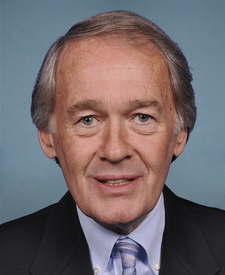
Legislative Progress
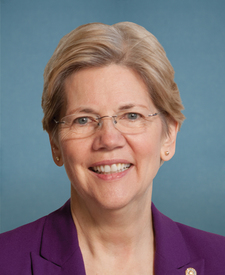
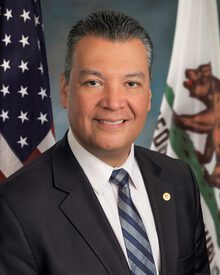
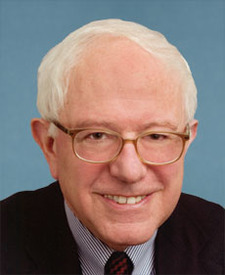
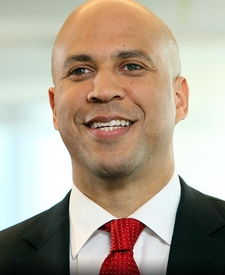
IntroducedMs. Warren (for herself, Mr. Padilla, Mr. Markey, Mr. Sanders, …
Stakeholder Effects
cui bono?How this legislation distributes effects. Mention counts reflect frequency, not effect magnitude.
All families with young children, Child care and early learning providers, Child care center operators
Child care providers faces effects in multiple directions
Positive-direction: All families with young children, Child care and early learning providers, Child care centers and providers, Child care providers seeking startup funding, Child care workers, Child care workers and teachers, Child care workforce, Children eligible under both programs, Children in child care, Children in child care programs, Children transitioning to kindergarten, Families with children under school age, Families with young children, Family child care home providers, High-poverty communities, Immigrant families, Non-working parents, Nonprofit child care organizations, Parents of children in child care, Prime sponsors and delegate providers, Protected classes (families), Rural child care providers, Working families
Negative-direction: Child care center operators, Prime sponsors and child care programs
Department of Health and Human Services, HHS Office of Child Care, HHS Secretary
Prime sponsors faces effects in multiple directions
Positive-direction: Department of Health and Human Services, Indian Tribes and Tribal organizations, Prime sponsors (states, localities, tribes), Prime sponsors with capacity challenges
Negative-direction: HHS Office of Child Care, HHS Secretary, State and local governments
Local governments and localities, State governments
State governments faces effects in multiple directions
Community colleges and higher education institutions, Local educational agencies
Local educational agencies faces effects in multiple directions
Bill Structure & Actor Mappings
Who is "The Secretary" in each section?
- "the_secretary"
- → Secretary of Health and Human Services
Key Definitions
Terms defined in this bill
Any program that provides child care and early learning services in child care and early learning centers (including schools) or in family child care homes
A child who is not yet required to attend school under state compulsory school attendance laws and meets eligibility regulations
Not less than 10 hours per day
A State, locality, Indian Tribe, Tribal organization, or public or private nonprofit agency or organization designated by the Secretary to receive and administer child care program funds
A family with income not more than 200 percent of the poverty line
We use a combination of our own taxonomy and classification in addition to large language models to assess meaning and potential beneficiaries. High confidence means strong textual evidence. Always verify with the original bill text.
Learn more about our methodology