To amend title 28, United States Code, to clarify that international organizations are not immune from the jurisdiction of the courts of the United States in certain cases related to terrorism.
Analysis under review: This bill has generated analysis that may be too generic or incomplete. Clause-level evidence remains available below.
Summary
What This Bill Does
This bill, known as the "Limiting Immunity for Assisting Backers of Lethal Extremism Act" (LIABLE Act), removes legal immunity from international organizations that assist terrorist groups. It amends federal law to allow victims of terrorism to sue international organizations in U.S. courts when those organizations have conspired with, materially supported, or aided foreign terrorist organizations.
Who Benefits and How
Victims of terrorism and their families gain the ability to seek money damages in U.S. courts against international organizations that supported the terrorist acts that harmed them.
U.S. citizens, armed forces members, and government contractors are specifically protected as eligible claimants who can bring lawsuits under this new exception.
Who Bears the Burden and How
International organizations (such as the UN and similar bodies) lose their traditional immunity from lawsuits in terrorism-related cases. They face potential civil liability for personal injury or death caused by torture, extrajudicial killing, aircraft sabotage, hostage taking, or material support for such acts.
International organizations with a substantial U.S. presence are particularly exposed if they are based in or have operations in the United States.
Key Provisions
- Creates a new Chapter 97A in Title 28 of the U.S. Code establishing a "terrorism exception" to international organization immunity
- Allows lawsuits against international organizations whose officials, employees, or agents engage in terrorist acts within the scope of their duties
- Requires claimants to show the organization conspired with, supported, or aided a designated foreign terrorist organization
- Sets a 20-year statute of limitations for bringing such claims
- Covers acts of torture, extrajudicial killing, aircraft sabotage, hostage taking, and material support for terrorism
Evidence Chain:
This summary is generated from the full bill text using AI analysis. Expand "Detailed Analysis" below for identified beneficiaries/burden bearers.
At a Glance
What This Bill Does
This bill amends title 28, United States Code, to clarify that international organizations are not immune from U.S. court jurisdiction in cases related to terrorism.
Key Policy Areas
Defense, Justice
Primary Purpose
This bill amends title 28, United States Code, to clarify that international organizations are not immune from U.S. court jurisdiction in cases related to terrorism.
Policy Domains
Sponsors

Legislative Progress
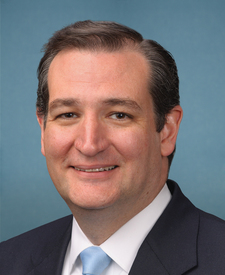
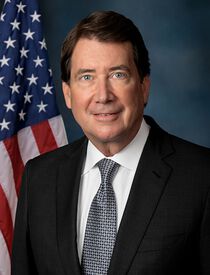
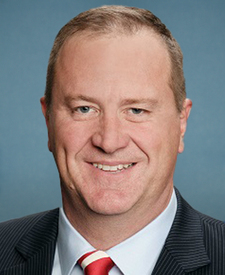
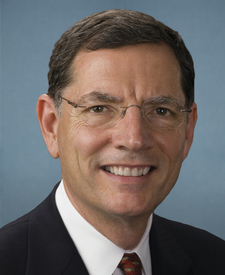
IntroducedMr. Cruz (for himself, Mr. Braun, Mr. Hagerty, Mr. Schmitt, …
Impact analysis is available but no clear stakeholder effects identified. View clause-level analysis →
Bill Structure & Actor Mappings
Who is "The Secretary" in each section?
Key Definitions
Terms defined in this bill
Defined as per section 1605A of the U.S. Code.
Defined in section 1 of the International Organizations Immunities Act (22 U.S.C. 288).
We use a combination of our own taxonomy and classification in addition to large language models to assess meaning and potential beneficiaries. High confidence means strong textual evidence. Always verify with the original bill text.
Learn more about our methodology