To promote United States leadership in technical standards by directing the National Institute of Standards and Technology and the Department of State to take certain actions to encourage and enable United States participation in developing standards and specifications for artificial intelligence and other critical and emerging technologies, and for other purposes.
Analysis under review: This bill has generated analysis that may be too generic or incomplete. Clause-level evidence remains available below.
Summary
What This Bill Does
The Promoting United States Leadership in Standards Act of 2024 directs NIST to brief Congress on opportunities for US participation in AI and emerging technology standards development, create a web portal for navigating international standards efforts, and establish a pilot grant program (authorized at $5 million over 5 years) to support hosting standards meetings in the United States.
Who Benefits and How
US technology companies benefit from increased influence over international technical standards that shape global markets. NIST and federal agencies gain a coordinated role in standards development. Standards-setting organizations and meeting hosts can receive grants covering up to 50% of meeting costs. The broader US economy benefits from standards that favor American technological approaches.
Who Bears the Burden and How
NIST bears the administrative burden of building the web portal, running the pilot program, and coordinating with other agencies. Federal agencies must report their standards participation activities. The authorized appropriation of $5 million is modest relative to the scope of the initiative.
Key Provisions
- NIST must brief Congress within 1 year on federal standards participation opportunities (Section 3)
- Creates a web portal for US industry and agencies to navigate international standards efforts (Section 3)
- Establishes a pilot grant program for hosting AI/emerging tech standards meetings in the US (Section 4)
- Authorizes $5 million for fiscal years 2024-2028 with a 5-year program sunset (Section 4)
Evidence Chain:
This summary is generated from the full bill text using AI analysis. Expand "Detailed Analysis" below for identified beneficiaries/burden bearers.
At a Glance
What This Bill Does
Promotes US leadership in developing technical standards for AI and other critical and emerging technologies through NIST-led briefings, a web portal for standards participation, and a pilot grant program to host standards meetings in the US.
Key Policy Areas
Technology, Science and Innovation, Trade
Primary Purpose
Promotes US leadership in developing technical standards for AI and other critical and emerging technologies through NIST-led briefings, a web portal for standards participation, and a pilot grant program to host standards meetings in the US.
Policy Domains
AI and Emerging Technology Standards Leadership
Identified Gains
Contextual inference, no direct clause citation- US technology companies
- Standards-setting organizations
- NIST
- US economic competitiveness
Contextual inference, no direct clause citation
Identified Costs
Contextual inference, no direct clause citation- NIST (administrative burden)
- Federal agencies (reporting requirements)
Contextual inference, no direct clause citation
Sponsors
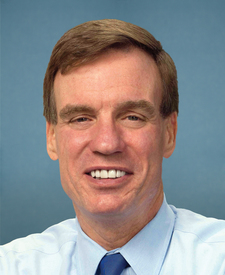
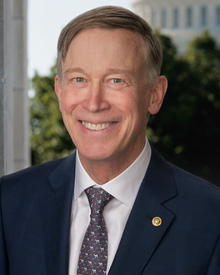
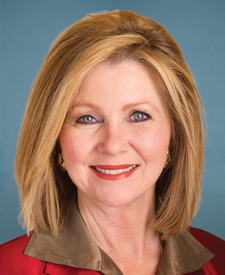
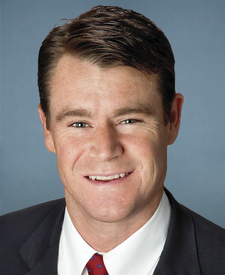
Legislative Progress
ReportedReported by Ms. Cantwell, with an amendment
Mr. Warner (for himself, Mrs. Blackburn, Mr. Hickenlooper, and Mr. …
Mr. Warner (for himself and Mrs. Blackburn) introduced the following …
Stakeholder Effects
cui bono?How this legislation distributes effects. Mention counts reflect frequency, not effect magnitude.
Federal agencies, Legislative record, NIST
Bill Structure & Actor Mappings
Who is "The Secretary" in each section?
- "Congress"
- → Receives briefings and program recommendations (Sec 3, 4)
- "Director of OMB"
- → Coordinates reporting mechanism with NIST (Sec 3)
- "Director of NIST"
- → Leads briefings, creates web portal, administers pilot grant program (Sec 3, 4)
- "Federal agency heads"
- → Report standards participation to NIST (Sec 3)
Key Definitions
Terms defined in this bill
Director of the National Institute of Standards and Technology
Subset of AI and critical/emerging technologies from the list maintained by the National Science and Technology Council, as the NIST Director considers appropriate
We use a combination of our own taxonomy and classification in addition to large language models to assess meaning and potential beneficiaries. High confidence means strong textual evidence. Always verify with the original bill text.
Learn more about our methodology