Rural Obstetrics Readiness Act
Analysis under review: This bill has generated analysis that may be too generic or incomplete. Clause-level evidence remains available below.
Summary
The Rural Obstetrics Readiness Act improves obstetric emergency care in rural communities where maternity wards have closed. It authorizes $5 million for evidence-based training programs to help rural practitioners handle emergencies like labor, delivery, obstetric hemorrhage, and other pregnancy complications. It creates a $15 million grant program for rural hospitals to buy equipment, hire staff, and build workforce capacity for obstetric emergencies. A $5 million pilot program supports statewide or regional teleconsultation networks connecting maternal health teams with rural facilities. The bill also requires HHS to study maternity ward closure patterns and regional partnership models, reporting findings to Congress within 3 years.
Evidence Chain:
This summary is generated from the full bill text using AI analysis. Expand "Detailed Analysis" below for identified beneficiaries/burden bearers.
At a Glance
What This Bill Does
Improve obstetric emergency care in rural areas by funding training programs, equipment grants, teleconsultation networks, and a study on rural obstetric care delivery patterns.
Who Benefits
- Pregnant women in rural areas
- Rural hospitals and critical access hospitals
- Rural healthcare practitioners
Who Bears Costs
- Federal budget (authorized appropriations totaling $25 million)
Key Policy Areas
{'domain': 'Healthcare', 'evidence': 'Amends the Public Health Service Act to add obstetric emergency training for rural health care facilities without dedicated obstetric units'}, {'domain': 'Rural Development', 'evidence': 'Targets rural hospitals, critical access hospitals, and rural emergency hospitals for obstetric readiness grants'}, {'domain': 'Telehealth', 'evidence': 'Establishes a pilot program for statewide or regional maternal health care teleconsultation networks'}
Primary Purpose
Improve obstetric emergency care in rural areas by funding training programs, equipment grants, teleconsultation networks, and a study on rural obstetric care delivery patterns.
Policy Domains
Legislative Strategy
"Address the rural maternity care desert crisis through a multi-pronged approach: training, equipment, telehealth, and research to support facilities that lack dedicated obstetric units"
Sponsors
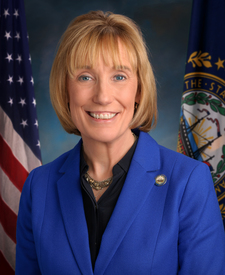
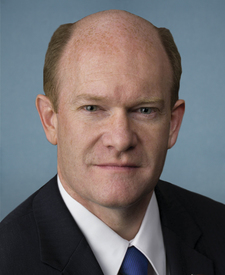



Legislative Progress
In CommitteeCommittee on Health, Education, Labor, and Pensions. Hearings held.
Ms. Hassan (for herself, Ms. Collins, Mrs. Britt, and Ms. …
Read twice and referred to the Committee on Health, Education, …
Introduced in Senate
Stakeholder Effects
cui bono?How this legislation distributes effects. Mention counts reflect frequency, not effect magnitude.
Medical equipment suppliers, Non-obstetric health professionals in rural areas, Rural communities losing maternity wards
Maternal health telehealth networks, Telehealth providers and maternal health teams
Bill Structure & Actor Mappings
Who is "The Secretary" in each section?
- "the_secretary"
- → Secretary of Health and Human Services
- "the_secretary"
- → Secretary of Health and Human Services
Key Definitions
Terms defined in this bill
A primary care HPSA experiencing a shortage of maternity health care professionals
As defined by the Federal Office of Rural Health Policy
We use a combination of our own taxonomy and classification in addition to large language models to assess meaning and potential beneficiaries. High confidence means strong textual evidence. Always verify with the original bill text.
Learn more about our methodology