To assist entrepreneurs and support development of the creative economy, and for other purposes.
Analysis under review: This bill has generated analysis that may be too generic or incomplete. Clause-level evidence remains available below.
Summary
What This Bill Does
The CREATE Act of 2024 aims to support artists and small businesses in the creative economy by expanding access to Small Business Administration (SBA) loans and technical assistance programs. It also directs the Economic Development Administration to provide grants and support to arts agencies and creative workers through traditional economic development tools like business incubators.
Who Benefits and How
Artists, arts entrepreneurs, and small businesses in the creative economy benefit by gaining access to SBA microloans specifically tailored to their needs, including procedures that evaluate non-traditional business models common in creative fields. State, regional, and local arts agencies also benefit by receiving planning grants, technical assistance, and access to business incubators to support creative industries in their communities.
Who Bears the Burden and How
The Small Business Administration must develop new loan criteria and evaluation procedures specifically for creative economy businesses, as well as create technical assistance programs for artists through small business development centers. The Economic Development Administration (within the Department of Commerce) must expand its grant programs to include arts agencies and must establish a demonstration program to assess the use of creative industries in local economic planning.
Key Provisions
- Requires the SBA to develop loan criteria ensuring artists and creative economy businesses can access microloan proceeds
- Creates new SBA procedures to evaluate business plans for creative economy ventures, including non-employer businesses and microenterprises
- Directs small business development centers to offer technical assistance programs targeting artists and arts entrepreneurs
- Amends the Public Works and Economic Development Act to provide arts agencies with access to incubators and economic development planning assistance
- Establishes a demonstration program within 120 days to test providing planning grants and technical assistance to local arts agencies and nonprofits
Evidence Chain:
This summary is generated from the full bill text using AI analysis. Expand "Detailed Analysis" below for identified beneficiaries/burden bearers.
At a Glance
What This Bill Does
The bill aims to support entrepreneurship and the creative economy by providing resources for artists and small businesses focused on the arts.
Key Policy Areas
Economy, Arts
Primary Purpose
The bill aims to support entrepreneurship and the creative economy by providing resources for artists and small businesses focused on the arts.
Policy Domains
Sponsors
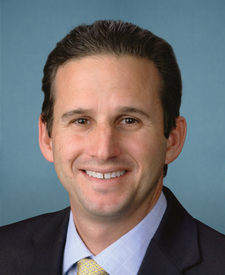
Brian Schatz
D-HI | Primary Sponsor
Legislative Progress
IntroducedMr. Schatz (for himself and Mr. Cornyn) introduced the following …
Impact analysis is available but no clear stakeholder effects identified. View clause-level analysis →
Bill Structure & Actor Mappings
Who is "The Secretary" in each section?
- "the_administration"
- → Administrator of the Small Business Administration
- "the_secretary"
- → Secretary of Commerce
Key Definitions
Terms defined in this bill
Criteria developed by the Administration to ensure loan proceeds are received by small businesses owned and controlled by artists.
Programs carried out by small business development centers targeting the specific needs of artists and arts entrepreneurs.
Focuses on economic development, job creation, and community growth related to the arts.
A program that accelerates the development of entrepreneurial businesses through support resources and services.
A multitenant facility with on-site management that directs a business incubation program.
We use a combination of our own taxonomy and classification in addition to large language models to assess meaning and potential beneficiaries. High confidence means strong textual evidence. Always verify with the original bill text.
Learn more about our methodology