Build HUBS Act
Analysis under review: This bill has generated analysis that may be too generic or incomplete. Clause-level evidence remains available below.
Summary
What This Bill Does
This bill, Build HUBS Act, changes federal law or congressional policy affecting financial institutions, investors, and borrowers. The main policy domain is Finance, Transportation, Government Operations.
Who Benefits and How
financial institutions, investors, and borrowers may benefit from new authority, funding, eligibility, regulatory clarity, or reduced risk created by the bill.
Who Bears the Burden and How
federal implementing agencies, financial institutions, investors, and borrowers may take on implementation duties, reporting obligations, compliance costs, or oversight responsibilities.
Key Provisions
- Section S1: 1. Short title This Act may be cited as the Build Housing, Unlock Benefits and Services Act or the Build HUBS Act.
- Section idc5067fb27c2247dea4f021c1ef2aedb3: 2. Findings Congress finds that— the United States is facing a housing availability and affordability crisis, marked by an inability of many citizens to find...
- Section id6bc131264c0d42d58d0e5b0ad8b60eee: 3. Extension of and improvements to the TIFIA program Section 11101(a)(2) of the Infrastructure Investment and Jobs Act (Public Law 117–58; 135 Stat. 443) is...
- Section idabd8d69c46304d009f6963c562097f02: 612. Delegated origination and underwriting program for TOD projects In carrying out the TIFIA program, the Secretary shall establish a delegated origination...
- Section id3e9cdbe4f5e74e24b8f34e22077bea89: 4. Extension of and adjustments to Railroad Rehabilitation and Improvement Financing Program Section 22401 of title 49, United States Code, is amended by...
Evidence Chain:
This summary is generated from the full bill text using AI analysis. Expand "Detailed Analysis" below for identified beneficiaries/burden bearers with clause-level evidence links.
At a Glance
What This Bill Does
This bill, Build HUBS Act, changes federal law or congressional policy affecting financial institutions, investors, and borrowers.
Key Policy Areas
Finance, Transportation, Government Operations
Primary Purpose
This bill, Build HUBS Act, changes federal law or congressional policy affecting financial institutions, investors, and borrowers.
Policy Domains
Whole bill
Identified Gains
- financial institutions, investors, and borrowers
Identified Costs
- federal implementing agencies
- financial institutions, investors, and borrowers
Sponsors

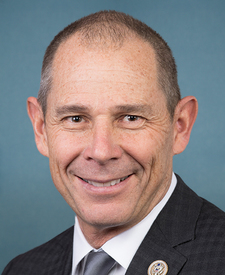
Legislative Progress
In CommitteeRead twice and referred to the Committee on Environment and …
Introduced in Senate
Ms. Blunt Rochester (for herself and Mr. Curtis) introduced the …
Impact analysis is available but no clear stakeholder effects identified. View clause-level analysis →
Bill Structure & Actor Mappings
Who is "The Secretary" in each section?
- "secretary_of_housing_and_urban_development"
- → Secretary of Housing and Urban Development
Key Definitions
Terms defined in this bill
a transportation-oriented development project— that serves households with an income of not more than 120 percent of the area median income
a transit-oriented development project— that serves households with an income that is not more than 120 percent of the area median income
We use a combination of our own taxonomy and classification in addition to large language models to assess meaning and potential beneficiaries. High confidence means strong textual evidence. Always verify with the original bill text.
Learn more about our methodology