REAADI for Disasters Act
Analysis under review: This bill has generated analysis that may be too generic or incomplete. Clause-level evidence remains available below.
Summary
What This Bill Does
This bill, REAADI for Disasters Act, changes federal law or congressional policy affecting civil-rights stakeholders and affected communities. The main policy domain is Civil Rights, Government Operations, Labor.
Who Benefits and How
civil-rights stakeholders and affected communities may benefit from new authority, funding, eligibility, regulatory clarity, or reduced risk created by the bill.
Who Bears the Burden and How
federal implementing agencies, civil-rights stakeholders and affected communities may take on implementation duties, reporting obligations, compliance costs, or oversight responsibilities.
Key Provisions
- Section S1: 1. Short title This Act may be cited as the Real Emergency Access for Aging and Disability Inclusion for Disasters Act or the REAADI for Disasters Act.
- Section id17613adca2c146129779938e3a8e1b95: 2. Findings and sense of Congress Congress makes the following findings: In the United States, according to the Centers for Disease Control and Prevention,...
- Section id975ff5cc4e6945df97421b49c0b1c190: 3. Purposes The purposes of this Act are to— improve the inclusion of individuals with disabilities and older adults in the preparation for, response to,...
- Section id4f8caf8a7ec04bb79198987f228baec1: 4. Definitions In this Act: The term access and functional needs, used with respect to an individual, means an individual with needs such as— an individual...
- Section id5C7500967445460396AE8A4A7B9C2B91: 5. Use of disaster response funds Section 615 of the Robert T. Stafford Disaster Relief and Emergency Assistance Act (42 U.S.C. 5196d) is amended— by striking...
Evidence Chain:
This summary is generated from the full bill text using AI analysis. Expand "Detailed Analysis" below for identified beneficiaries/burden bearers with clause-level evidence links.
At a Glance
What This Bill Does
This bill, REAADI for Disasters Act, changes federal law or congressional policy affecting civil-rights stakeholders and affected communities.
Key Policy Areas
Civil Rights, Government Operations, Labor
Primary Purpose
This bill, REAADI for Disasters Act, changes federal law or congressional policy affecting civil-rights stakeholders and affected communities.
Policy Domains
Whole bill
Identified Gains
- civil-rights stakeholders and affected communities
Identified Costs
- federal implementing agencies
- civil-rights stakeholders and affected communities
Sponsors
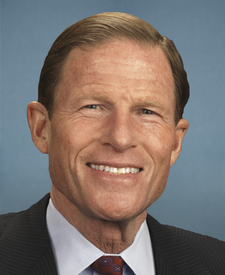
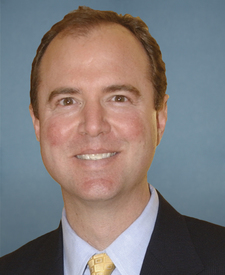


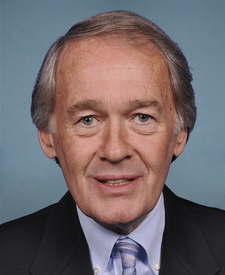
Legislative Progress
In CommitteeRead twice and referred to the Committee on Health, Education, …
Introduced in Senate
Mr. Blumenthal (for himself, Mr. Schiff, Mr. Sanders, Mrs. Gillibrand, …
Impact analysis is available but no clear stakeholder effects identified. View clause-level analysis →
Bill Structure & Actor Mappings
Who is "The Secretary" in each section?
- "secretary_of_education"
- → Secretary of Education
- "secretary_of_transportation"
- → Secretary of Transportation
- "secretary_of_homeland_security"
- → Secretary of Homeland Security
- "secretary_of_health_and_human_services"
- → Secretary of Health and Human Services
Key Definitions
Terms defined in this bill
an entity or partnership of entities that— submits an application to the Secretary at such time, in such manner, and containing such information as the Secretary may reasonably require
an individual with needs such as— an individual with a disability
an individual with needs such as— an individual with a disability
a settlement agreement— entered into by the United States during the period beginning on January 1, 2005, and ending on the first December 31 after the date of enactment of this Act
a group of individuals and organizations that— is committed to disability inclusive and older adult inclusive disaster management
We use a combination of our own taxonomy and classification in addition to large language models to assess meaning and potential beneficiaries. High confidence means strong textual evidence. Always verify with the original bill text.
Learn more about our methodology