To award grants to States to establish or improve, and carry out, Seal of Biliteracy programs to recognize high-level student proficiency in speaking, reading, and writing in both English and a second language, and early language programs.
Analysis under review: This bill has generated analysis that may be too generic or incomplete. Clause-level evidence remains available below.
Summary
What This Bill Does
This bill, To award grants to States to establish or improve, and carry out, Seal of Biliteracy programs to recognize high-level student proficiency in speaking, reading, and writing in both English and a second language, and early language programs., changes federal law or congressional policy affecting schools, students, and education providers. The main policy domain is Education, Transportation, Civil Rights.
Who Benefits and How
schools, students, and education providers may benefit from new authority, funding, eligibility, regulatory clarity, or reduced risk created by the bill.
Who Bears the Burden and How
federal implementing agencies, schools, students, and education providers may take on implementation duties, reporting obligations, compliance costs, or oversight responsibilities.
Key Provisions
- Section H0FAFC47274D64354B5486BED3FBA6D97: 1. Short title This Act may be cited as the Biliteracy Education Seal and Teaching Act or the BEST Act.
- Section H64C5003FBF0148BF83F4E8D2E78359A4: 2. Findings Congress finds the following: The people of the United States celebrate cultural and linguistic diversity and seek to prepare students with skills...
- Section H97EEE5B6CA874E15A78B91F3D5820BF7: 3. Definitions In this Act: The terms elementary school, English learner, local educational agency, middle grades, secondary school, and State have the...
- Section HCD8CC6D6D8BF4D03993BDBD1DB394780: 4. Grants for State Seal of Biliteracy programs From amounts made available under subsection (f), the Secretary shall award grants, on a competitive basis, to...
Evidence Chain:
This summary is generated from the full bill text using AI analysis. Expand "Detailed Analysis" below for identified beneficiaries/burden bearers with clause-level evidence links.
At a Glance
What This Bill Does
This bill, To award grants to States to establish or improve, and carry out, Seal of Biliteracy programs to recognize high-level student proficiency in speaking, reading, and writing in both English and a second language, and early language programs., changes federal law or congressional policy affecting schools, students, and education providers.
Key Policy Areas
Education, Transportation, Civil Rights
Primary Purpose
This bill, To award grants to States to establish or improve, and carry out, Seal of Biliteracy programs to recognize high-level student proficiency in speaking, reading, and writing in both English and a second language, and early language programs., changes federal law or congressional policy affecting schools, students, and education providers.
Policy Domains
Whole bill
Identified Gains
- schools, students, and education providers
Identified Costs
- federal implementing agencies
- schools, students, and education providers
Sponsors



Legislative Progress
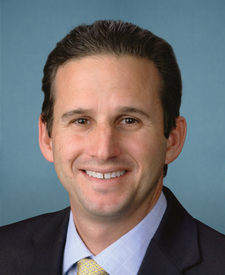
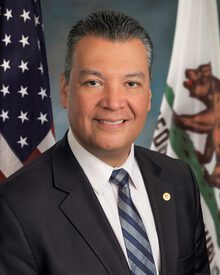
IntroducedMr. Schatz (for himself, Mr. Padilla, Ms. Cortez Masto, Mrs. …
Impact analysis is available but no clear stakeholder effects identified. View clause-level analysis →
Bill Structure & Actor Mappings
Who is "The Secretary" in each section?
- "the_commission"
- → The commission identified in the operative section
- "secretary_of_education"
- → Secretary of Education
Key Definitions
Terms defined in this bill
any program described in section 4(a) that is established or improved, and carried out, with funds received under this Act. The term second language— means any language other than— English
We use a combination of our own taxonomy and classification in addition to large language models to assess meaning and potential beneficiaries. High confidence means strong textual evidence. Always verify with the original bill text.
Learn more about our methodology