A bill to amend the Aamodt Litigation Settlement Act to modify a provision relating to the extension of certain dates for the completion of the Regional Water System, and for other purposes.
Analysis under review: This bill has generated analysis that may be too generic or incomplete. Clause-level evidence remains available below.
Summary
What This Bill Does
This bill amends the Aamodt Litigation Settlement Act to make it easier to extend deadlines for completing the Regional Water System in New Mexico. The Aamodt case is one of the longest-running water rights disputes in U.S. history, involving Pueblo Indian tribes, the federal government, the State of New Mexico, the City of Santa Fe, and Santa Fe County. The original settlement set firm deadlines for completing a regional water delivery system, but construction has faced delays. This bill adds a provision allowing all parties to jointly agree to extend those deadlines if the extension is "reasonably necessary."
Who Benefits and How
The Pueblo Indian tribes party to the settlement benefit most directly, as they stand to receive reliable water infrastructure that might otherwise be jeopardized if the settlement expired before construction was complete. Residents in the broader service area of the Regional Water System also benefit from continued progress on the project. State and local government partners benefit from preserving a negotiated agreement that took decades to reach.
Who Bears the Burden and How
The federal government bears the primary financial burden, as continued construction extends its funding obligations for the Regional Water System. Taxpayers indirectly bear this cost. However, since the bill only allows extensions by mutual agreement of all parties, no single party can unilaterally force an extension.
Key Provisions
- Adds a new mechanism for extending completion dates by mutual agreement of all settlement parties
- Extensions must be deemed "reasonably necessary" by the Pueblos, United States (through the Secretary of the Interior), State, City, and County
- Preserves the existing conditions precedent and expiration date framework while adding flexibility
Evidence Chain:
This summary is generated from the full bill text using AI analysis. Expand "Detailed Analysis" below for identified beneficiaries/burden bearers.
At a Glance
What This Bill Does
Amends the Aamodt Litigation Settlement Act to allow extension of completion dates for the Regional Water System when all parties (Pueblos, United States, State, City, and County) agree the extension is reasonably necessary
Key Policy Areas
Water Resources, Native American Affairs, Federal Litigation Settlements
Primary Purpose
Amends the Aamodt Litigation Settlement Act to allow extension of completion dates for the Regional Water System when all parties (Pueblos, United States, State, City, and County) agree the extension is reasonably necessary
Policy Domains
Aamodt Litigation Settlement Protection
Identified Gains
Contextual inference, no direct clause citation- Pueblo Indian tribes in the Aamodt settlement
- Residents served by the Regional Water System
- State and local governments party to the settlement
Contextual inference, no direct clause citation
Identified Costs
Contextual inference, no direct clause citation- Federal government (continued construction obligations)
- Taxpayers funding the Regional Water System
Contextual inference, no direct clause citation
Sponsors

Legislative Progress
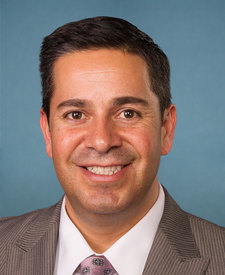
In CommitteeMr. Luján (for himself and Mr. Heinrich) introduced the following …
Read twice and referred to the Committee on Indian Affairs.
Introduced in Senate
Bill Structure & Actor Mappings
Who is "The Secretary" in each section?
- "the_city"
- → City of Santa Fe
- "the_state"
- → State of New Mexico
- "the_county"
- → Santa Fe County
- "the_pueblos"
- → Pueblo Indian tribes party to the Aamodt litigation
- "the_secretary"
- → Secretary of the Interior
We use a combination of our own taxonomy and classification in addition to large language models to assess meaning and potential beneficiaries. High confidence means strong textual evidence. Always verify with the original bill text.
Learn more about our methodology