Schedules That Work Act
Analysis under review: This bill has generated analysis that may be too generic or incomplete. Clause-level evidence remains available below.
Summary
What This Bill Does
The Schedules That Work Act creates new federal protections around work scheduling. It gives all employees the right to request changes to their schedules, and requires employers to engage in a good-faith interactive process. For workers in covered sectors (retail, food service, cleaning, hospitality, and warehousing), it mandates at least 14 days advance notice of schedules, predictability pay when schedules change at the last minute, and compensation for split shifts. The bill also guarantees a right to rest, requiring at least 11 hours between shifts, and prohibits retaliation against workers who exercise these rights.
Who Benefits and How
Low-wage hourly workers, particularly in retail, food service, cleaning, hospitality, and warehouse industries, benefit most from predictable scheduling, advance notice requirements, and predictability pay. Working parents, caregivers, students, and employees with health conditions gain the right to request flexible schedules with protection against denial without a bona fide business reason. All employees benefit from anti-retaliation protections.
Who Bears the Burden and How
Employers in covered sectors bear significant compliance costs including maintaining 14-day advance schedule posting, paying predictability pay for late changes ($75/day penalties for missing the notice requirement), and potentially higher labor costs from the 11-hour rest requirement. All employers must engage in good-faith interactive processes for schedule change requests. The Department of Labor bears the administrative burden of enforcement, rulemaking, and ongoing research programs.
Key Provisions
- Gives all employees the right to request schedule changes; employers must grant requests related to health, caregiving, education, or second jobs unless there is a bona fide business reason
- Requires 14 days advance notice of schedules for covered sector workers with $75/day penalty for violations
- Mandates predictability pay when employers change schedules with less than 14 days notice
- Guarantees 11-hour rest period between shifts with 1.5x pay if employee consents to shorter rest
- Prohibits retaliation and provides enforcement through DOL investigations and private right of action
- Exempts workers covered by collective bargaining agreements that address scheduling
Evidence Chain:
This summary is generated from the full bill text using AI analysis. Expand "Detailed Analysis" below for identified beneficiaries/burden bearers.
At a Glance
What This Bill Does
Establishes comprehensive federal protections for workers regarding scheduling practices, including the right to request schedule changes, requirements for advance notice of work schedules, predictability pay for last-minute schedule changes, and protections against retaliation for exercising these rights.
Key Policy Areas
Labor & Employment, Worker Rights
Primary Purpose
Establishes comprehensive federal protections for workers regarding scheduling practices, including the right to request schedule changes, requirements for advance notice of work schedules, predictability pay for last-minute schedule changes, and protections against retaliation for exercising these rights.
Policy Domains
Whole Bill
Identified Gains
Contextual inference, no direct clause citation- Low-wage hourly workers in retail, food service, cleaning, hospitality, and warehousing
- Working parents and caregivers
- Employees with health conditions or second jobs
Contextual inference, no direct clause citation
Identified Costs
Contextual inference, no direct clause citation- Employers in covered sectors (compliance and predictability pay costs)
- Department of Labor (enforcement and rulemaking)
- All employers (interactive process requirement)
Contextual inference, no direct clause citation
Sponsors
Legislative Progress
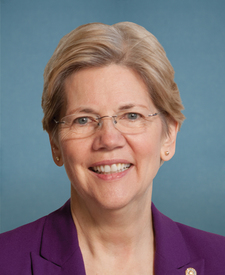
In CommitteeMs. Warren (for herself, Mr. Blumenthal, Mr. Van Hollen, Ms. …
Read twice and referred to the Committee on Health, Education, …
Introduced in Senate
Impact analysis is available but no clear stakeholder effects identified. View clause-level analysis →
Bill Structure & Actor Mappings
Who is "The Secretary" in each section?
- "the_secretary"
- → Secretary of Labor
- "the_commissioner"
- → Commissioner of the Bureau of Labor Statistics
Key Definitions
Terms defined in this bill
We use a combination of our own taxonomy and classification in addition to large language models to assess meaning and potential beneficiaries. High confidence means strong textual evidence. Always verify with the original bill text.
Learn more about our methodology