PBM FAIR Act
Analysis under review: This bill has generated analysis that may be too generic or incomplete. Clause-level evidence remains available below.
Summary
What This Bill Does
The PBM FAIR Act (Fiduciary Accountability, Integrity, and Reform) makes pharmacy benefit managers legally responsible as fiduciaries under ERISA when they manage prescription drug benefits for employer-sponsored health plans. This means PBMs must act in the best interest of plan participants rather than their own financial interest when negotiating drug prices, managing formularies, processing claims, and conducting utilization reviews. The bill also requires PBMs to disclose compensation (including indirect payments like rebates), prohibits PBMs from contractually limiting their fiduciary liability, and prevents PBMs from serving as their own oversight fiduciary.
Who Benefits and How
Employees and participants in employer-sponsored group health plans benefit from PBMs being legally required to act in their interest rather than maximizing their own profits. Employers and plan sponsors benefit from increased transparency about PBM compensation, including rebates, fees, and indirect payments. Independent pharmacies may benefit if fiduciary duties discourage PBMs from steering prescriptions to PBM-owned pharmacies. Drug manufacturers gain clearer rules about rebate and pricing negotiations.
Who Bears the Burden and How
Pharmacy benefit managers bear the greatest burden, facing new fiduciary obligations, expanded disclosure requirements, prohibition on indemnification clauses, and potential liability for fiduciary breaches. The three major PBMs (CVS Caremark, Express Scripts, OptumRx) and their parent companies face significant business model changes. PBMs can no longer contractually shield themselves from liability. Health insurance issuers working with PBMs face new compliance requirements. Third-party administrators providing services to health plans also face new fiduciary classification and disclosure obligations.
Key Provisions
- Classifies PBMs as fiduciaries under ERISA Section 3(21) when managing formularies, negotiating rebates, processing drug claims, or conducting utilization review
- Extends covered service provider disclosure rules to PBM and third-party administrative services
- Prohibits PBMs from being indemnified for fiduciary breaches, voiding any contractual provisions that attempt this
- Prevents PBMs from serving as the responsible plan fiduciary for disclosure purposes (except for their own employee plans)
- Applies to plan years beginning at least 12 months after enactment
Evidence Chain:
This summary is generated from the full bill text using AI analysis. Expand "Detailed Analysis" below for identified beneficiaries/burden bearers.
At a Glance
What This Bill Does
Amends the Employee Retirement Income Security Act (ERISA) to classify pharmacy benefit managers (PBMs) as fiduciaries with respect to group health plans, subjecting them to fiduciary duties, disclosure requirements, and prohibiting indemnification for fiduciary breaches.
Key Policy Areas
Healthcare, Labor and Employment, Pharmaceutical Industry
Primary Purpose
Amends the Employee Retirement Income Security Act (ERISA) to classify pharmacy benefit managers (PBMs) as fiduciaries with respect to group health plans, subjecting them to fiduciary duties, disclosure requirements, and prohibiting indemnification for fiduciary breaches.
Policy Domains
Whole Bill
Identified Gains
Contextual inference, no direct clause citation- Employer-sponsored health plan participants
- Employers and plan sponsors
- Independent pharmacies
- Drug manufacturers
Contextual inference, no direct clause citation
Identified Costs
Contextual inference, no direct clause citation- Pharmacy benefit managers (CVS Caremark, Express Scripts, OptumRx)
- Health insurance issuers
- Third-party administrators
Contextual inference, no direct clause citation
Sponsors



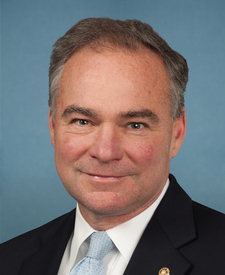
Legislative Progress
In CommitteeMr. Marshall (for himself, Mr. Kaine, Mr. Grassley, and Ms. …
Read twice and referred to the Committee on Health, Education, …
Introduced in Senate
Impact analysis is available but no clear stakeholder effects identified. View clause-level analysis →
Bill Structure & Actor Mappings
Who is "The Secretary" in each section?
Key Definitions
Terms defined in this bill
We use a combination of our own taxonomy and classification in addition to large language models to assess meaning and potential beneficiaries. High confidence means strong textual evidence. Always verify with the original bill text.
Learn more about our methodology