Fair Competition for Small Business Act of 2025
Analysis under review: This bill has generated analysis that may be too generic or incomplete. Clause-level evidence remains available below.
Summary
What This Bill Does
The Fair Competition for Small Business Act of 2025 makes a narrow but significant change to federal antitrust law. It amends Section 4C(a)(1) of the Clayton Act to allow state attorneys general to bring parens patriae lawsuits (suits on behalf of their state's citizens) for violations of Section 2 of the Clayton Act, commonly known as the Robinson-Patman Act. Currently, state attorneys general can bring such suits only for Sherman Act violations. This bill extends that authority to cover Robinson-Patman Act violations, which prohibit price discrimination by sellers that injures competition.
Who Benefits and How
Small businesses benefit most, as the Robinson-Patman Act was specifically designed to protect small retailers and independent businesses from being undercut by discriminatory pricing practices that favor large chain stores and big buyers. State attorneys general gain a new enforcement tool to combat price discrimination on behalf of small businesses and consumers in their states. Consumers in states where attorneys general actively enforce this provision may benefit from more competitive markets.
Who Bears the Burden and How
Large manufacturers, wholesalers, and dominant buyers who engage in differential pricing bear the primary burden, as they face a new class of potential plaintiffs (state attorneys general) who can bring Robinson-Patman Act claims. Large retailers and chain stores that benefit from volume-based pricing advantages may face challenges to their favorable pricing arrangements. Companies doing business across multiple states face increased litigation risk from 50 different state enforcement authorities.
Key Provisions
- Inserts "or section 2 of this Act" after "any violation of the Sherman Act" in Clayton Act Section 4C(a)(1)
- Extends state attorneys general parens patriae authority to Robinson-Patman Act (price discrimination) violations
- Does not create new substantive antitrust law but expands who can enforce existing price discrimination prohibitions
Evidence Chain:
This summary is generated from the full bill text using AI analysis. Expand "Detailed Analysis" below for identified beneficiaries/burden bearers.
At a Glance
What This Bill Does
Amends the Clayton Act to allow state attorneys general to bring parens patriae antitrust actions on behalf of their citizens for violations of the Robinson-Patman Act (Section 2 of the Clayton Act), which prohibits price discrimination that harms competition.
Key Policy Areas
Antitrust and Competition, Small Business
Primary Purpose
Amends the Clayton Act to allow state attorneys general to bring parens patriae antitrust actions on behalf of their citizens for violations of the Robinson-Patman Act (Section 2 of the Clayton Act), which prohibits price discrimination that harms competition.
Policy Domains
Whole Bill
Identified Gains
Contextual inference, no direct clause citation- Small and independent businesses
- State attorneys general (expanded enforcement authority)
- Consumers in competitive markets
Contextual inference, no direct clause citation
Identified Costs
Contextual inference, no direct clause citation- Large manufacturers and wholesalers engaging in differential pricing
- Large retailers benefiting from volume-based pricing
- Companies operating across multiple states
Contextual inference, no direct clause citation
Sponsors
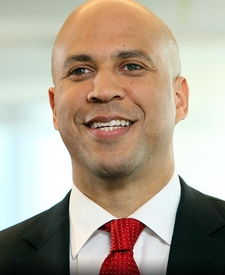


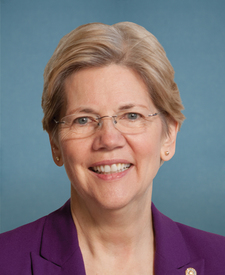
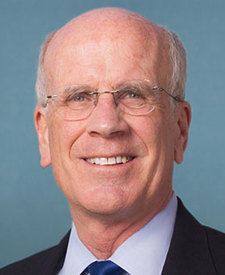
Legislative Progress
In CommitteeMr. Booker (for himself, Mr. Welch, Ms. Klobuchar, Mr. Murphy, …
Read twice and referred to the Committee on the Judiciary.
Introduced in Senate
Bill Structure & Actor Mappings
Who is "The Secretary" in each section?
Key Definitions
Terms defined in this bill
We use a combination of our own taxonomy and classification in addition to large language models to assess meaning and potential beneficiaries. High confidence means strong textual evidence. Always verify with the original bill text.
Learn more about our methodology