PUBLIC Lands Act
Analysis under review: This bill has generated analysis that may be too generic or incomplete. Clause-level evidence remains available below.
Summary
What This Bill Does
The bill establishes the South Fork Trinity-Mad River Restoration Area, requires joint restoration and fire-management planning, and withdraws the area from mining and mineral leasing while directing ecological restoration work, creates the California Public Land Remediation Partnership to coordinate and fund remediation of federal land damaged by illegal marijuana cultivation and other illegal activity, including through grants and cooperative, and requires the Secretary of Agriculture to consider the purposes of the South Fork Trinity-Mad River Restoration Area when revising land and resource management plans for specified national forests. It relies on compliance mandates, reporting requirements, grants, and exemptions. The main policy areas are Trade, Recreation, Energy, and Environmental Restoration.
Who Benefits and How
Pacific Gas and Electric Company utility facilities and right-of-way operations in affected California federal lands could face lower compliance burdens, Owners of eligible water transport or diversion facilities in the Pleasant View Ridge Wilderness could face lower compliance burdens, and State, local, Tribal, and nonprofit entities participating in public-land remediation projects could gain revenue opportunities.
Who Bears the Burden and How
Mining, logging, and energy-development interests seeking access to newly designated wilderness areas could face higher barriers, Forest Service and Bureau of Land Management staff administering the restoration area would take on compliance duties, and Mining, timber, transmission, and energy-development interests affected by scenic-area restrictions could face higher barriers.
Key Provisions
- Establishes the South Fork Trinity-Mad River Restoration Area, requires joint restoration and fire-management planning, and withdraws the area from mining and mineral leasing while directing ecological restoration work.
- Creates the California Public Land Remediation Partnership to coordinate and fund remediation of federal land damaged by illegal marijuana cultivation and other illegal activity, including through grants and cooperative...
- Requires the Secretary of Agriculture to consider the purposes of the South Fork Trinity-Mad River Restoration Area when revising land and resource management plans for specified national forests.
- Requires revised fire-management plans for newly designated wilderness areas and additions to incorporate spatial planning, consultation, and ecological fire-management objectives.
- Requires a feasibility study for the Bigfoot National Recreation Trail and, if the study is favorable and standards are met, directs the Secretary to designate the trail as a National Recreation Trail.
Evidence Chain:
This summary is generated from the full bill text using AI analysis. Expand "Detailed Analysis" below for identified beneficiaries/burden bearers with clause-level evidence links.
At a Glance
What This Bill Does
The bill establishes the South Fork Trinity-Mad River Restoration Area, requires joint restoration and fire-management planning, and withdraws the area from mining and mineral leasing while directing ecological restoration work, creates the California Public Land Remediation Partnership to coordinate and fund remediation of federal land damaged by illegal marijuana cultivation and other illegal activity, including through grants and cooperative, and requires the Secretary of Agriculture to consider the purposes of the South Fork Trinity-Mad River Restoration Area when revising land and resource management plans for specified national forests.
Key Policy Areas
Trade, Recreation, Energy, Environmental Restoration
Primary Purpose
The bill establishes the South Fork Trinity-Mad River Restoration Area, requires joint restoration and fire-management planning, and withdraws the area from mining and mineral leasing while directing ecological restoration work, creates the California Public Land Remediation Partnership to coordinate and fund remediation of federal land damaged by illegal marijuana cultivation and other illegal activity, including through grants and cooperative, and requires the Secretary of Agriculture to consider the purposes of the South Fork Trinity-Mad River Restoration Area when revising land and resource management plans for specified national forests.
Policy Domains
Title I -- Restoration and Remediation
Identified Gains
- Pacific Gas and Electric Company utility facilities and right-of-way operations in affected California federal lands
- Owners of eligible water transport or diversion facilities in the Pleasant View Ridge Wilderness
- State, local, Tribal, and nonprofit entities participating in public-land remediation projects
- Off-highway vehicle and mountain bicycling recreation users on the Elk Camp Ridge trail system
- Fishing, conservation, and river-recreation interests in the designated segments
Identified Costs
- Mining, logging, and energy-development interests seeking access to newly designated wilderness areas
- Forest Service and Bureau of Land Management staff administering the restoration area
- Mining, timber, transmission, and energy-development interests affected by scenic-area restrictions
- River-adjacent development, extraction, and infrastructure interests affected by new wild and scenic designations
- Mining and geothermal developers seeking access within the restoration area
Sponsors
Legislative Progress
In CommitteeCommittee on Energy and Natural Resources Subcommittee on Public Lands, …
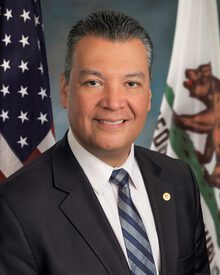
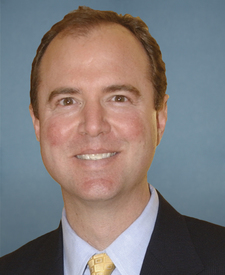
Mr. Padilla (for himself and Mr. Schiff) introduced the following …
Read twice and referred to the Committee on Energy and …
Introduced in Senate
Stakeholder Effects
cui bono?How this legislation distributes effects. Mention counts reflect frequency, not effect magnitude.
Agriculture and Interior Department staff and partners establishing the Del Norte County visitor center, Federal agencies administering the new scenic areas, Federal land and river managers administering the new wild and scenic designations
Positive-direction: State, local, Tribal, and nonprofit entities participating in public-land remediation projects
Negative-direction: Agriculture and Interior Department staff and partners establishing the Del Norte County visitor center, Federal agencies administering the new scenic areas, Federal land and river managers administering the new wild and scenic designations, Federal land management staff administering the partnership agreements, Federal land managers administering the new wilderness designations, Federal land managers coordinating PG&E access plans and carveouts, Federal land managers overseeing restoration and transition to full wilderness, Federal land-management planning staff updating covered management plans, Federal land-management staff preparing official maps and legal descriptions for the designations in the bill, Federal wildfire and wilderness management staff implementing updated fire plans, Forest Service and Bureau of Land Management staff administering the restoration area, Forest Service and Interior Department staff administering the remediation partnership, Forest Service and Interior Department staff conducting the Bigfoot trail study and designation work, Forest Service and Interior staff administering the new wilderness areas, Forest Service planning staff revising affected forest plans, Forest Service staff administering special-use authorizations for those facilities, Forest Service staff and partners establishing and operating the Trinity Lake visitor center, Forest Service staff conducting the Condor National Scenic Trail study, Forest Service staff conducting the San Gabriel wild-and-scenic river studies, Forest Service staff conducting the multi-forest trails study, Forest Service staff developing and implementing special management area plans, Forest Service staff managing and annually assessing the Elk Camp Ridge trail, Forest Service staff studying and potentially constructing mountain bicycling routes, Forest Service staff studying and potentially constructing the Trinity Lake Trail, Interior Department staff conducting the overnight-accommodations study and partnership process
Conservation and backcountry recreation interests in the newly designated wilderness areas, Conservation and recreation interests in the scenic areas, Conservation interests focused on ecological restoration and wilderness protection
Developers and other users needing non-wilderness access within designated potential wilderness areas, Mining and geothermal developers seeking access within the restoration area, Mining, logging, and energy-development interests seeking access to newly designated wilderness areas
Nearby communities and fisheries affected by wildfire and watershed conditions in the restoration area, Nearby communities and wilderness resources exposed to wildfire risk
Owners of eligible water transport or diversion facilities in the Pleasant View Ridge Wilderness, Pacific Gas and Electric Company utility facilities and right-of-way operations in affected California federal lands
Qualified private and nonprofit organizations partnering on trail, campground, and visitor services
Bill Structure & Actor Mappings
Who is "The Secretary" in each section?
- "the_secretary"
- → Secretary of Agriculture or Secretary of the Interior, depending on land jurisdiction
- "the_secretary"
- → Secretary of Agriculture (primarily) and Secretary of the Interior
- "the_secretary"
- → Secretary of Agriculture or Secretary of the Interior, depending on land jurisdiction
- "the_secretary"
- → Secretary of Agriculture or Secretary of the Interior
Note: 'The Secretary' refers to either the Secretary of Agriculture or the Secretary of the Interior depending on land jurisdiction, as defined in Section 2.
Key Definitions
Terms defined in this bill
We use a combination of our own taxonomy and classification in addition to large language models to assess meaning and potential beneficiaries. High confidence means strong textual evidence. Always verify with the original bill text.
Learn more about our methodology