Stopping Grinch Bots Act of 2025
Analysis under review: This bill has generated analysis that may be too generic or incomplete. Clause-level evidence remains available below.
Summary
What This Bill Does
This bill makes it illegal to use automated software (commonly known as bots) to bypass security measures, access controls, or technological measures on websites that enforce purchasing limits or manage inventory. It also prohibits selling or offering to sell products obtained through such circumvention in interstate commerce, if the seller participated in or controlled the bot activity, or knew or should have known the goods were acquired by bots. Violations are treated as unfair or deceptive acts under the Federal Trade Commission Act. The bill provides two exceptions: using software for law enforcement investigations or enforcement actions, and conducting security research to identify vulnerabilities in website protections, provided the research advances computer security knowledge or aids in developing security products.
Who Benefits and How
Ordinary consumers benefit from fairer access to high-demand products online, as bots currently allow scalpers to buy out limited inventory before regular buyers can purchase at retail price. Online retailers benefit from having their posted purchasing limits and inventory management systems legally protected. State attorneys general gain explicit authority to bring civil actions on behalf of residents against bot operators, including seeking injunctions, compliance orders, and damages.
Who Bears the Burden and How
Bot operators and scalpers who use automated software to circumvent purchase limits face FTC enforcement and state attorney general lawsuits. Resellers who knowingly sell bot-acquired goods are also liable. The automated purchasing software industry faces potential legal exposure for tools designed to circumvent website controls. Penalties and enforcement mechanisms from the FTC Act apply, giving both federal and state authorities significant enforcement power.
Evidence Chain:
This summary is generated from the full bill text using AI analysis. Expand "Detailed Analysis" below for identified beneficiaries/burden bearers.
At a Glance
What This Bill Does
Prohibits the use of automated software (bots) to circumvent security measures on websites that enforce purchasing limits or manage inventory, and bans the sale of goods obtained through such circumvention
Key Policy Areas
Consumer Protection, Technology, E-Commerce
Primary Purpose
Prohibits the use of automated software (bots) to circumvent security measures on websites that enforce purchasing limits or manage inventory, and bans the sale of goods obtained through such circumvention
Policy Domains
Stopping Grinch Bots Act of 2025 - Bot Circumvention Prohibition
Identified Gains
Contextual inference, no direct clause citation- Consumers purchasing goods online
- Legitimate online retailers
- Event ticket buyers
- State attorneys general (enforcement power)
Contextual inference, no direct clause citation
Identified Costs
Contextual inference, no direct clause citation- Scalpers and bot operators
- Resellers of bot-acquired goods
- Automated purchasing software developers
Contextual inference, no direct clause citation
Legislative Progress
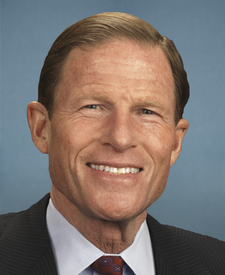
In CommitteeMr. Blumenthal introduced the following bill; which was read twice …
Read twice and referred to the Committee on Commerce, Science, …
Introduced in Senate
Impact analysis is available but no clear stakeholder effects identified. View clause-level analysis →
Bill Structure & Actor Mappings
Who is "The Secretary" in each section?
- "the_commission"
- → Federal Trade Commission
Key Definitions
Terms defined in this bill
Clearly and conspicuously published on an internet website.
This Act may be cited as the Stopping Grinch Bots Act of 2025.
The Federal Trade Commission.
We use a combination of our own taxonomy and classification in addition to large language models to assess meaning and potential beneficiaries. High confidence means strong textual evidence. Always verify with the original bill text.
Learn more about our methodology