Post-Wildfire Environmental Emergency Assistance Act
Analysis under review: This bill has generated analysis that may be too generic or incomplete. Clause-level evidence remains available below.
Summary
What This Bill Does
This bill expands fire management assistance under the Stafford Act to cover remediation and post-fire debris removal, including hazardous debris cleanup with Environmental Protection Agency support, even when no major disaster is declared.
Who Benefits and How
State and local governments dealing with wildfire debris and hazardous contamination would gain access to broader federal assistance after fires.
Who Bears the Burden and How
Federal emergency-management and environmental agencies would take on wider assistance and coordination responsibilities for post-wildfire cleanup.
Key Provisions
- Adds remediation to eligible fire management assistance.
- Authorizes debris removal on public and private lands after qualifying fires.
- Lets the President direct EPA support for hazardous debris cleanup, with or without reimbursement.
Evidence Chain:
This summary is generated from the full bill text using AI analysis. Expand "Detailed Analysis" below for identified beneficiaries/burden bearers.
At a Glance
What This Bill Does
Expand federal fire management assistance so post-wildfire remediation and debris removal, including hazardous debris cleanup with EPA support, can be provided even without a major disaster declaration.
Key Policy Areas
Emergency Management, Environment
Primary Purpose
Expand federal fire management assistance so post-wildfire remediation and debris removal, including hazardous debris cleanup with EPA support, can be provided even without a major disaster declaration.
Policy Domains
Post-Wildfire Debris Assistance
Identified Gains
Contextual inference, no direct clause citation- State and local governments recovering from wildfires
Contextual inference, no direct clause citation
Identified Costs
Contextual inference, no direct clause citation- Federal emergency-management and environmental agencies
Contextual inference, no direct clause citation
Sponsors

Legislative Progress
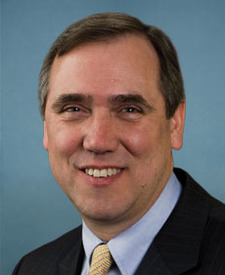
In CommitteeMr. Merkley (for himself and Mr. Marshall) introduced the following …
Read twice and referred to the Committee on Homeland Security …
Introduced in Senate
Stakeholder Effects
cui bono?How this legislation distributes effects. Mention counts reflect frequency, not effect magnitude.
State and local governments recovering from wildfires
Bill Structure & Actor Mappings
Who is "The Secretary" in each section?
- "the_president"
- → President of the United States
- "the_administrator"
- → Administrator of the Environmental Protection Agency
We use a combination of our own taxonomy and classification in addition to large language models to assess meaning and potential beneficiaries. High confidence means strong textual evidence. Always verify with the original bill text.
Learn more about our methodology