Strong Ports, Strong Communities Act
Analysis under review: This bill has generated analysis that may be too generic or incomplete. Clause-level evidence remains available below.
Summary
What This Bill Does
This bill creates a Land Port of Entry Community Infrastructure Program at the Department of Homeland Security. The program would provide grants and supplemental funding to state, Tribal, local, and nonprofit utility entities for transportation, utility, and other infrastructure projects tied to land ports of entry and nearby affected communities.
Who Benefits and How
Communities near land ports of entry, including local governments, Tribal governments, and utility providers, would gain a new federal funding source for infrastructure tied to trade, travel, resilience, and quality-of-life impacts.
Who Bears the Burden and How
Homeland Security would take on grant-making and program-design responsibilities, and federal appropriations would be needed to fund the program.
Key Provisions
- Defines eligible community infrastructure and rural areas.
- Creates the grant program and directs the Secretary to establish project-eligibility criteria.
- Authorizes such sums as necessary for the program and makes funds available until expended.
Evidence Chain:
This summary is generated from the full bill text using AI analysis. Expand "Detailed Analysis" below for identified beneficiaries/burden bearers.
At a Glance
What This Bill Does
Create a Homeland Security grant program to help state, Tribal, local, and nonprofit utility entities address infrastructure needs tied to land ports of entry and nearby affected communities.
Key Policy Areas
Transportation, Border Security, Infrastructure
Primary Purpose
Create a Homeland Security grant program to help state, Tribal, local, and nonprofit utility entities address infrastructure needs tied to land ports of entry and nearby affected communities.
Policy Domains
Grant Program
Identified Gains
Contextual inference, no direct clause citation- State, Tribal, and local governments near land ports
- Not-for-profit utility providers
Contextual inference, no direct clause citation
Identified Costs
Contextual inference, no direct clause citation- Department of Homeland Security
- Federal appropriators
Contextual inference, no direct clause citation
Program Definitions
Identified Gains
Contextual inference, no direct clause citation- Communities near land ports of entry
Contextual inference, no direct clause citation
Sponsors
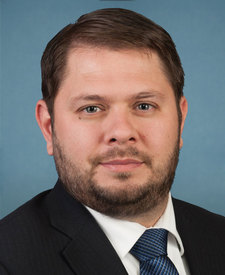
Ruben Gallego
D-AZ | Primary Sponsor
Legislative Progress
In CommitteeRead twice and referred to the Committee on Homeland Security …
Introduced in Senate
Mr. Gallego (for himself and Mr. Cornyn) introduced the following …
Stakeholder Effects
cui bono?How this legislation distributes effects. Mention counts reflect frequency, not effect magnitude.
Communities near land ports of entry, Land Port of Entry Community Infrastructure Program, State, Tribal, and local governments near land ports of entry
Bill Structure & Actor Mappings
Who is "The Secretary" in each section?
- "the_secretary"
- → Secretary of Homeland Security
- "the_secretary"
- → Secretary of Homeland Security
Key Definitions
Terms defined in this bill
A transportation, utility, or similar project directly supporting a land port of entry or disproportionately affected by the nearby presence of one.
We use a combination of our own taxonomy and classification in addition to large language models to assess meaning and potential beneficiaries. High confidence means strong textual evidence. Always verify with the original bill text.
Learn more about our methodology