To amend the Fair Credit Reporting Act to prevent consumer reporting agencies from furnishing consumer reports under certain circumstances, and for other purposes.
Sponsors

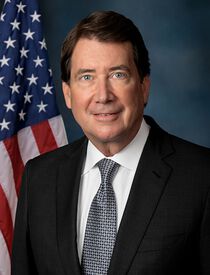
Jack Reed
D-RI | Primary Sponsor
Legislative Progress
Passed SenateMr. Reed (for himself and Mr. Hagerty) introduced the following …
Mr. Reed (for himself and Mr. Hagerty) introduced the following …
Mr. Reed (for himself and Mr. Hagerty) introduced the following …
Mr. Reed (for himself and Mr. Hagerty) introduced the following …
Mr. Reed (for himself and Mr. Hagerty) introduced the following …
Mr. Reed (for himself and Mr. Hagerty) introduced the following …
Passed Senate (inferred from es version)
Summary
What This Bill Does
This bill addresses "trigger leads" - the practice where credit bureaus sell consumer information to competing lenders after a homebuyer applies for a mortgage. It restricts credit bureaus from sharing consumer reports after mortgage inquiries unless the requesting party has an existing relationship with the consumer.
Who Benefits and How
Homebuyers are protected from unsolicited competing offers and potential scams triggered by mortgage applications.
Who Bears the Burden and How
Consumer reporting agencies lose revenue from selling trigger leads. Mortgage lead generation companies lose access to real-time mortgage applicant data.
Key Provisions
- Restricts credit bureau sharing of reports after mortgage inquiries
- Allows sharing only if third party has consumer authorization, is current lender/servicer, or is bank/credit union with existing account relationship
Evidence Chain:
This summary is derived from the structured analysis below. See "Detailed Analysis" for per-title beneficiaries/burden bearers with clause-level evidence links.
Primary Purpose
Restricts credit bureaus from sharing consumer credit reports with third parties after a mortgage inquiry (trigger leads), unless the third party is the consumer's current lender, servicer, or bank.
Policy Domains
Legislative Strategy
"Close loophole that exposes mortgage applicants to competing offers and potential fraud"
Bill Structure & Actor Mappings
Who is "The Secretary" in each section?
We use a combination of our own taxonomy and classification in addition to large language models to assess meaning and potential beneficiaries. High confidence means strong textual evidence. Always verify with the original bill text.
Learn more about our methodology