To amend title 5, United States Code, to authorize the appointment of spouses of members of the Armed Forces who are on active duty, disabled, or deceased to positions in which the spouses will work remotely.
Analysis under review: This bill has generated analysis that may be too generic or incomplete. Clause-level evidence remains available below.
Summary
What This Bill Does
This bill adds remote work positions to the existing federal noncompetitive hiring authority for military spouses. Previously, military spouses had hiring preference only for positions at their location; this extends that preference to remote work positions anywhere.
Who Benefits and How
Military spouses gain access to federal remote work positions regardless of their current duty station location. This addresses career disruption from frequent PCS moves.
Who Bears the Burden and How
Federal agencies must consider military spouses for remote positions. GAO must study and report on agency remote work practices within 18 months.
Key Provisions
- Adds remote work positions to military spouse hiring authority under 5 USC 3330d
- Covers spouses of active duty, disabled, or deceased service members
- Requires GAO study on federal remote work usage, recruitment, and space utilization
Evidence Chain:
This summary is generated from the full bill text using AI analysis. Expand "Detailed Analysis" below for identified beneficiaries/burden bearers.
At a Glance
What This Bill Does
Expands federal hiring authority for military spouses to include remote work positions, addressing employment challenges caused by frequent relocations.
Who Benefits
- Military spouses
Who Bears Costs
- Federal agencies (expanded hiring pool)
Key Policy Areas
Military Families, Federal Employment, Telework
Primary Purpose
Expands federal hiring authority for military spouses to include remote work positions, addressing employment challenges caused by frequent relocations.
Policy Domains
Legislative Strategy
"Expand existing military spouse hiring preference to address remote work opportunities"
Sponsors

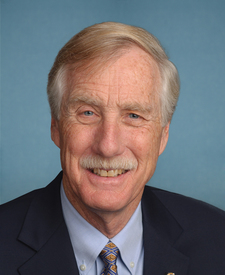
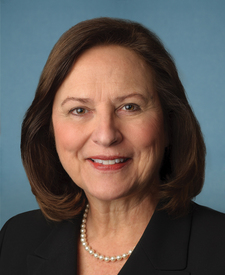

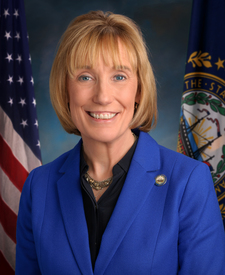
Legislative Progress
Passed SenateMr. Lankford (for himself, Ms. Sinema, Mrs. Fischer, and Mr. …
Passed Senate (inferred from es version)
Mr. Lankford (for himself, Ms. Sinema, Mrs. Fischer, Mr. King, …
Stakeholder Effects
cui bono?How this legislation distributes effects. Mention counts reflect frequency, not effect magnitude.
Congress, Federal agencies with remote positions, Government Accountability Office
Positive-direction: Congress, Federal agencies with remote positions
Negative-direction: Government Accountability Office
Importers, exporters, and domestic producers affected by trade rules
Bill Structure & Actor Mappings
Who is "The Secretary" in each section?
- "the_comptroller_general"
- → Comptroller General
Key Definitions
Terms defined in this bill
A particular type of telework under which an employee is not expected to report to an officially established agency location on a regular and recurring basis
We use a combination of our own taxonomy and classification in addition to large language models to assess meaning and potential beneficiaries. High confidence means strong textual evidence. Always verify with the original bill text.
Learn more about our methodology