Brownfields Reauthorization Act of 2025
Summary
What This Bill Does
The Brownfields Reauthorization Act updates CERCLA brownfields authorities. It improves access for small and disadvantaged communities, raises grant caps, supports state response programs, requires EPA to identify ways to streamline applications and update guidance, and adds Alaska Native tribes to brownfield revitalization funding eligibility.
Who Benefits and How
Disadvantaged communities benefit from improved access to brownfields grant opportunities. Local redevelopment agencies benefit from higher grant amounts for assessment, cleanup, and reuse planning. State response programs benefit from reauthorized support to oversee contaminated-site cleanup. Alaska Native tribes benefit from explicit brownfield revitalization funding eligibility.
Who Bears the Burden and How
EPA must update guidance, streamline applications, and administer higher grant caps. Brownfield grant applicants must satisfy revised eligibility and application requirements. State environmental agencies must manage response-program funds and oversight. Federal taxpayers fund expanded grant authority and higher award ceilings.
Key Provisions
- Improves small and disadvantaged community access to brownfields grants.
- Increases brownfields grant amounts.
- Extends support for state response programs.
- Requires EPA to report on application streamlining and update guidance.
- Adds Alaska Native tribes to brownfield revitalization funding eligibility.
Evidence Chain:
This summary is generated from the full bill text using AI analysis. Expand "Detailed Analysis" below for identified beneficiaries/burden bearers with clause-level evidence links.
At a Glance
What This Bill Does
Reauthorizes and expands EPA Brownfields grants, increases grant amounts, improves access for disadvantaged communities, supports state response programs, and adds Alaska Native tribe eligibility.
Key Policy Areas
Environment, Economic Development
Primary Purpose
Reauthorizes and expands EPA Brownfields grants, increases grant amounts, improves access for disadvantaged communities, supports state response programs, and adds Alaska Native tribe eligibility.
Policy Domains
Bill provisions
Identified Gains
- Disadvantaged communities
- Local redevelopment agencies
- State response programs
- Alaska Native tribes
Identified Costs
- EPA
- Brownfield grant applicants
- State environmental agencies
- Federal taxpayers
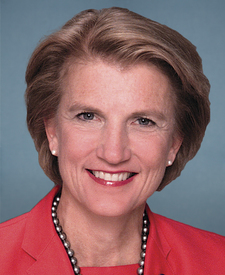
Sponsors

Legislative Progress
ReportedReported by Mrs. Capito, without amendment
Placed on Senate Legislative Calendar under General Orders. Calendar No. …
Committee on Environment and Public Works. Reported by Senator Capito …
Committee on Environment and Public Works. Committee consideration held. Business …
Committee on Environment and Public Works. Ordered to be reported …
Mrs. Capito (for herself and Ms. Blunt Rochester) introduced the …
Read twice and referred to the Committee on Environment and …
Introduced in Senate
Stakeholder Effects
cui bono?How this legislation distributes effects. Mention counts reflect frequency, not effect magnitude.
Local redevelopment agencies, State response programs
Alaska Native tribes, EPA
Positive-direction: Alaska Native tribes
Negative-direction: EPA
Bill Structure & Actor Mappings
Who is "The Secretary" in each section?
- "administrator"
- → EPA Administrator
We use a combination of our own taxonomy and classification in addition to large language models to assess meaning and potential beneficiaries. High confidence means strong textual evidence. Always verify with the original bill text.
Learn more about our methodology