Ranked Choice Voting Act
Analysis under review: This bill has generated analysis that may be too generic or incomplete. Clause-level evidence remains available below.
Summary
What This Bill Does
This bill requires ranked choice voting for elections for U.S. Senators and Representatives, provides implementation funding to States, and creates enforcement provisions.
Who Benefits and How
Voters could gain ranked choice voting in congressional elections, and States would receive Federal payments to help implement the change.
Who Bears the Burden and How
States would need to redesign election administration, end separate runoff elections for congressional races, and comply with new Federal voting rules.
Key Provisions
- Requires ranked choice voting for congressional primary, special, and general elections.
- Bars separate runoff elections for congressional races and sets rules for certain primary structures.
- Provides Federal payments to States for implementation and creates civil enforcement and private suits.
- Defines key ranked-choice-voting terms and includes severability.
Evidence Chain:
This summary is generated from the full bill text using AI analysis. Expand "Detailed Analysis" below for identified beneficiaries/burden bearers.
At a Glance
What This Bill Does
This bill requires ranked choice voting for elections for U.S. Senators and Representatives, provides implementation funding to States, and creates enforcement provisions.
Key Policy Areas
Government
Primary Purpose
This bill requires ranked choice voting for elections for U.S. Senators and Representatives, provides implementation funding to States, and creates enforcement provisions.
Policy Domains
Main Provisions
Identified Gains
Contextual inference, no direct clause citation- Voters and States implementing ranked choice voting in congressional elections
Contextual inference, no direct clause citation
Identified Costs
Contextual inference, no direct clause citation- States required to transition congressional elections to ranked choice voting and comply with related federal rules
Contextual inference, no direct clause citation
Sponsors
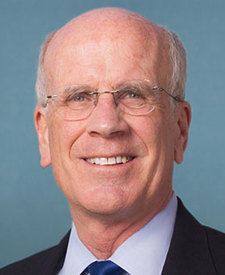
Peter Welch
D-VT | Primary Sponsor

Legislative Progress
In CommitteeRead twice and referred to the Committee on Rules and …
Introduced in Senate
Mr. Welch (for himself and Mr. Kim) introduced the following …
Stakeholder Effects
cui bono?How this legislation distributes effects. Mention counts reflect frequency, not effect magnitude.
Federal budget financing State implementation of ranked choice voting, States exposed to civil enforcement and private litigation for noncompliance with the Act, States prohibited from holding separate congressional runoff elections
Positive-direction: States receiving Federal payments to implement ranked choice voting
Negative-direction: Federal budget financing State implementation of ranked choice voting, States exposed to civil enforcement and private litigation for noncompliance with the Act, States prohibited from holding separate congressional runoff elections, States required to administer congressional elections using ranked choice voting, States structuring congressional primary elections under the ranked choice voting framework
Aggrieved individuals able to sue to enforce ranked choice voting requirements
Bill Structure & Actor Mappings
Who is "The Secretary" in each section?
We use a combination of our own taxonomy and classification in addition to large language models to assess meaning and potential beneficiaries. High confidence means strong textual evidence. Always verify with the original bill text.
Learn more about our methodology