To prohibit the importation of seafood and aquaculture products from the People's Republic of China.
Analysis under review: This bill has generated analysis that may be too generic or incomplete. Clause-level evidence remains available below.
Summary
What This Bill Does
This bill, To prohibit the importation of seafood and aquaculture products from the People's Republic of China., changes federal law or congressional policy affecting foreign governments, international partners, and aid recipients. The main policy domain is Foreign Policy, Trade, Agriculture.
Who Benefits and How
foreign governments, international partners, and aid recipients may benefit from new authority, funding, eligibility, regulatory clarity, or reduced risk created by the bill.
Who Bears the Burden and How
federal implementing agencies, foreign governments, international partners, and aid recipients may take on implementation duties, reporting obligations, compliance costs, or oversight responsibilities.
Key Provisions
- Section S1: 1. Short title This Act may be cited as the Ban China’s Forbidden Operations in the Oceanic Domain Act or the Ban C-FOOD Act.
- Section id34814119d0194a108c11727912e7d6db: 2. Prohibition on importation of seafood and aquaculture products from the People's Republic of China During the period described in subsection (b), the...
- Section id10accdf5310c4f1ab6a025f429c665c0: 3. Imposition of sanctions with respect to entities facilitating transshipment The Secretary of the Treasury shall impose the sanctions described in subsection...
- Section id865064ac3df94d66930f1b728a7e0c54: 4. Imposition of duties to prevent transshipment During the period described in section 2(b), the United States Trade Representative shall impose such duties...
- Section idd8f4638d50e94ab7a22d9d2b93a14c69: 5. Report on combating abuses of fishing fleets and aquaculture industry of the People's Republic of China Not later than 90 days after the date of the...
Evidence Chain:
This summary is generated from the full bill text using AI analysis. Expand "Detailed Analysis" below for identified beneficiaries/burden bearers with clause-level evidence links.
At a Glance
What This Bill Does
This bill, To prohibit the importation of seafood and aquaculture products from the People's Republic of China., changes federal law or congressional policy affecting foreign governments, international partners, and aid recipients.
Key Policy Areas
Foreign Policy, Trade, Agriculture
Primary Purpose
This bill, To prohibit the importation of seafood and aquaculture products from the People's Republic of China., changes federal law or congressional policy affecting foreign governments, international partners, and aid recipients.
Policy Domains
Whole bill
Identified Gains
- foreign governments, international partners, and aid recipients
Identified Costs
- federal implementing agencies
- foreign governments, international partners, and aid recipients
Sponsors


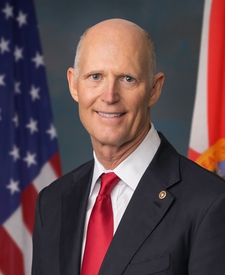
Legislative Progress
IntroducedMr. Cotton (for himself, Mrs. Hyde-Smith, and Mr. Scott of …
Impact analysis is available but no clear stakeholder effects identified. View clause-level analysis →
Bill Structure & Actor Mappings
Who is "The Secretary" in each section?
- "secretary_of_defense"
- → Secretary of Defense
- "secretary_of_commerce"
- → Secretary of Commerce
- "secretary_of_treasury"
- → Secretary of the Treasury
We use a combination of our own taxonomy and classification in addition to large language models to assess meaning and potential beneficiaries. High confidence means strong textual evidence. Always verify with the original bill text.
Learn more about our methodology