REPAIR Infrastructure Act
Analysis under review: This bill has generated analysis that may be too generic or incomplete. Clause-level evidence remains available below.
Summary
What This Bill Does
This bill extends and expands the REPAIR infrastructure grant program, authorizes new Highway Trust Fund spending for it, and broadens the transportation projects that can use federal highway funds for REPAIR-eligible work.
Who Benefits and How
State, local, and Tribal applicants and communities harmed by legacy transportation barriers could gain more grant funding and broader eligibility for projects that reconnect neighborhoods and improve access.
Who Bears the Burden and How
Federal transportation spending would rise significantly, and applicants would face expanded criteria emphasizing community participation, affordability, and anti-displacement planning.
Key Provisions
- Authorizes $3 billion per year from fiscal years 2027 through 2031 for planning and capital grants under the REPAIR infrastructure program.
- Renames and extends the former reconnecting communities pilot and adds new selection criteria focused on access, community engagement, and anti-displacement.
- Makes REPAIR-eligible projects usable under additional federal-aid highway funding categories.
Evidence Chain:
This summary is generated from the full bill text using AI analysis. Expand "Detailed Analysis" below for identified beneficiaries/burden bearers.
At a Glance
What This Bill Does
This bill extends and expands the REPAIR infrastructure grant program, authorizes new Highway Trust Fund spending for it, and broadens the transportation projects that can use federal highway funds for REPAIR-eligible work.
Key Policy Areas
Transportation, Housing
Primary Purpose
This bill extends and expands the REPAIR infrastructure grant program, authorizes new Highway Trust Fund spending for it, and broadens the transportation projects that can use federal highway funds for REPAIR-eligible work.
Policy Domains
Main Provisions
Identified Gains
Contextual inference, no direct clause citation- State, local, and Tribal transportation applicants and communities seeking reconnection and mobility grants
Contextual inference, no direct clause citation
Identified Costs
Contextual inference, no direct clause citation- Federal budget funding the expanded REPAIR program
- Transportation applicants needing to satisfy expanded community-benefit and anti-displacement criteria
Contextual inference, no direct clause citation
Sponsors

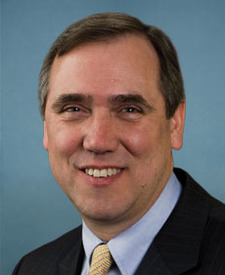
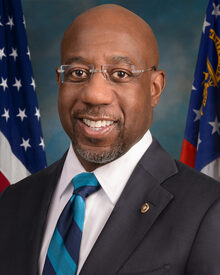
Legislative Progress
In CommitteeRead twice and referred to the Committee on Environment and …
Introduced in Senate
Ms. Blunt Rochester (for herself, Mr. Merkley, and Mr. Warnock) …
Stakeholder Effects
cui bono?How this legislation distributes effects. Mention counts reflect frequency, not effect magnitude.
State and local transportation agencies seeking to finance REPAIR-eligible projects with broader highway funding authorities, State, local, and Tribal governments applying for REPAIR infrastructure planning and construction grants
Communities seeking projects that reconnect neighborhoods and improve access to jobs, services, and affordable transportation
Federal budget financing the expanded REPAIR infrastructure program
Bill Structure & Actor Mappings
Who is "The Secretary" in each section?
We use a combination of our own taxonomy and classification in addition to large language models to assess meaning and potential beneficiaries. High confidence means strong textual evidence. Always verify with the original bill text.
Learn more about our methodology