PATHS to Tutor Act of 2025
Analysis under review: This bill has generated analysis that may be too generic or incomplete. Clause-level evidence remains available below.
Summary
What This Bill Does
This bill creates a competitive grant program for local consortia of schools and educator preparation programs to provide high-quality tutoring in hard-to-staff and high-need schools and ties tutor service to national service education awards.
Who Benefits and How
Students in high-need schools could receive more intensive tutoring support, while aspiring teachers and other tutors could gain compensated tutoring roles and education awards tied to service.
Who Bears the Burden and How
The Department of Education, local consortia, and national service administrators would need to run a large grant and service-award program with detailed application, training, compensation, and coordination requirements.
Key Provisions
- Creates competitive grants for local consortia to run high-quality tutoring programs, especially in hard-to-staff and high-need schools.
- Authorizes funds for tutor recruitment, training, compensation, instructional materials, transportation, meals, and facilities and authorizes $500,000,000 for the program.
- Requires an interagency agreement so eligible tutor positions can qualify as national service positions with education awards.
Evidence Chain:
This summary is generated from the full bill text using AI analysis. Expand "Detailed Analysis" below for identified beneficiaries/burden bearers.
At a Glance
What This Bill Does
This bill creates a competitive grant program for local consortia of schools and educator preparation programs to provide high-quality tutoring in hard-to-staff and high-need schools and ties tutor service to national service education awards.
Key Policy Areas
Education, Labor
Primary Purpose
This bill creates a competitive grant program for local consortia of schools and educator preparation programs to provide high-quality tutoring in hard-to-staff and high-need schools and ties tutor service to national service education awards.
Policy Domains
Main Provisions
Identified Gains
Contextual inference, no direct clause citation- Students in high-need schools and tutors participating in high-quality tutoring programs
Contextual inference, no direct clause citation
Identified Costs
Contextual inference, no direct clause citation- Department of Education officials, local consortia, and service-program administrators required to implement the tutoring grant structure
Contextual inference, no direct clause citation
Sponsors
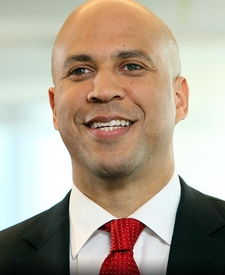

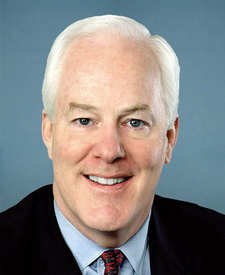
Legislative Progress
In CommitteeMr. Booker (for himself, Mr. Cornyn, and Mr. Murphy) introduced …
Read twice and referred to the Committee on Health, Education, …
Introduced in Senate
Stakeholder Effects
cui bono?How this legislation distributes effects. Mention counts reflect frequency, not effect magnitude.
Local consortia serving hard-to-staff and high-need schools that can receive tutoring grants, Tutors receiving stipends and paid placements through grant-funded programs, Tutors who can qualify for national service education awards through the tutoring program
Department of Education officials administering the tutoring grant competition and compliance framework
Bill Structure & Actor Mappings
Who is "The Secretary" in each section?
- "the_secretary"
- → Secretary of Education
We use a combination of our own taxonomy and classification in addition to large language models to assess meaning and potential beneficiaries. High confidence means strong textual evidence. Always verify with the original bill text.
Learn more about our methodology