Unlocking Native Lands and Opportunities for Commerce and Key Economic Developments Act of 2025
Summary
What This Bill Does
The bill amends Tribal land leasing and right-of-way law. It modifies long-term leasing authority for Indian land and allows an Indian Tribe to grant rights-of-way across Tribal land for any purpose, subject to statutory conditions, which can make infrastructure, energy, housing, and business projects easier to approve.
Who Benefits and How
Indian Tribes benefit from more control over leases and rights-of-way on Tribal land. Tribal landowners benefit when development approvals can move through Tribal authority rather than prolonged federal processes. Tribal business projects benefit from clearer land access for infrastructure, commerce, housing, and energy uses. Right-of-way applicants benefit from a more direct path to obtain access across Tribal land.
Who Bears the Burden and How
Bureau of Indian Affairs staff must update oversight and approval practices for leases and rights-of-way. Tribal governments must administer lease and right-of-way decisions responsibly. Right-of-way applicants must negotiate with Tribal authorities and comply with Tribal conditions. Neighboring land users may need to adapt to new Tribal approvals for access or development corridors.
Key Provisions
- Amends the Long-Term Leasing Act for Indian land.
- Expands Tribal lease and right-of-way authority.
- Allows Indian Tribes to grant rights-of-way across Tribal land for any purpose subject to conditions.
- Reduces federal approval friction for commerce and development on Native lands.
Evidence Chain:
This summary is generated from the full bill text using AI analysis. Expand "Detailed Analysis" below for identified beneficiaries/burden bearers with clause-level evidence links.
At a Glance
What This Bill Does
Expands Tribal authority to grant longer leases and rights-of-way across Indian land, reducing federal friction for commerce and development on Native lands.
Key Policy Areas
Tribal Affairs, Economic Development, Public Lands
Primary Purpose
Expands Tribal authority to grant longer leases and rights-of-way across Indian land, reducing federal friction for commerce and development on Native lands.
Policy Domains
Bill provisions
Identified Gains
- Indian Tribes
- Tribal landowners
- Tribal business projects
- Right-of-way applicants
Identified Costs
- Bureau of Indian Affairs staff
- Tribal governments
- Right-of-way applicants
- Neighboring land users
Sponsors
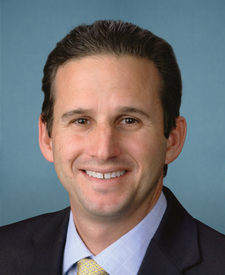


Legislative Progress
ReportedCommittee on Indian Affairs. Ordered to be reported without amendment …
Mr. Schatz (for himself and Ms. Murkowski) introduced the following …
Read twice and referred to the Committee on Indian Affairs.
Introduced in Senate
Stakeholder Effects
cui bono?How this legislation distributes effects. Mention counts reflect frequency, not effect magnitude.
Bureau of Indian Affairs staff, Indian Tribes
Positive-direction: Indian Tribes
Negative-direction: Bureau of Indian Affairs staff
Bill Structure & Actor Mappings
Who is "The Secretary" in each section?
- "tribe"
- → Indian Tribe
We use a combination of our own taxonomy and classification in addition to large language models to assess meaning and potential beneficiaries. High confidence means strong textual evidence. Always verify with the original bill text.
Learn more about our methodology