DO NOT Call Act
Analysis under review: This bill has generated analysis that may be too generic or incomplete. Clause-level evidence remains available below.
Summary
What This Bill Does
This bill strengthens penalties for willful and knowing violations of the Telephone Consumer Protection Act by adding criminal penalties, aggravated-offense thresholds, and higher civil penalties.
Who Benefits and How
Consumers and call recipients could receive stronger protection against large-scale robocall and unlawful autodialed or prerecorded-call abuse.
Who Bears the Burden and How
Entities that violate the Telephone Consumer Protection Act would face greater criminal exposure, higher penalties, and broader statutory definitions of covered calls.
Key Provisions
- Creates criminal penalties of up to 1 year for willful and knowing TCPA violations and up to 3 years for aggravated offenses.
- Treats repeat offenders, extremely high-volume campaigns, felony-related conduct, and high-loss conduct as aggravated offenses.
- Expands definitions for covered calls and doubles certain existing civil penalties from $10,000 to $20,000.
Evidence Chain:
This summary is generated from the full bill text using AI analysis. Expand "Detailed Analysis" below for identified beneficiaries/burden bearers.
At a Glance
What This Bill Does
This bill strengthens penalties for willful and knowing violations of the Telephone Consumer Protection Act by adding criminal penalties, aggravated-offense thresholds, and higher civil penalties.
Key Policy Areas
Telecommunications, Consumer Protection, Government Administration
Primary Purpose
This bill strengthens penalties for willful and knowing violations of the Telephone Consumer Protection Act by adding criminal penalties, aggravated-offense thresholds, and higher civil penalties.
Policy Domains
Main Provisions
Identified Gains
Contextual inference, no direct clause citation- Consumers and telephone users harmed by unlawful robocalls or autodialed text campaigns
Contextual inference, no direct clause citation
Identified Costs
Contextual inference, no direct clause citation- Robocall operators and other entities exposed to stronger TCPA criminal and civil penalties
Contextual inference, no direct clause citation
Sponsors
Legislative Progress
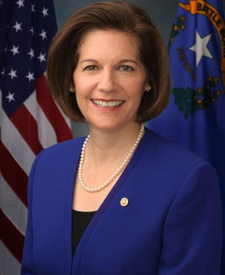
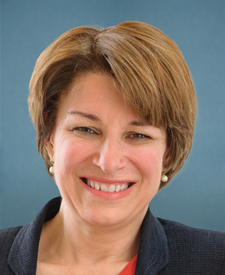
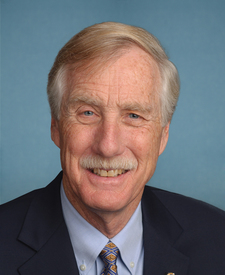
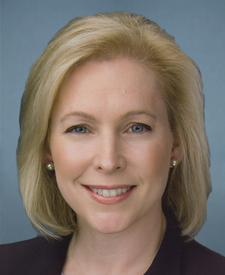
In CommitteeMs. Cortez Masto (for herself, Ms. Klobuchar, Mrs. Gillibrand, and …
Read twice and referred to the Committee on Commerce, Science, …
Introduced in Senate
Stakeholder Effects
cui bono?How this legislation distributes effects. Mention counts reflect frequency, not effect magnitude.
Robocall and unlawful autodialer operators exposed to stronger criminal and civil penalties
Consumers and telephone users receiving stronger protection against unlawful robocalls and texts
Bill Structure & Actor Mappings
Who is "The Secretary" in each section?
We use a combination of our own taxonomy and classification in addition to large language models to assess meaning and potential beneficiaries. High confidence means strong textual evidence. Always verify with the original bill text.
Learn more about our methodology