Medicare-X Choice Act of 2025
Analysis under review: This bill has generated analysis that may be too generic or incomplete. Clause-level evidence remains available below.
Summary
What This Bill Does
This bill creates a federally administered Medicare-X public option for the ACA markets, pairs it with reinsurance and expanded premium tax credits, and funds antitrust oversight in health care markets.
Who Benefits and How
Individual and small-group market consumers could gain a new public coverage option, broader premium assistance, lower premiums through reinsurance, and potentially lower-cost care through Medicare-linked payment rules.
Who Bears the Burden and How
Federal agencies would need to fund and administer the new plan, insurers would face a new public competitor, and providers could face Medicare-based reimbursement and participation obligations.
Key Provisions
- Creates the Medicare Exchange health plan for the individual and small-group markets beginning in 2028 and appropriates startup and data funds.
- Requires the plan to follow ACA qualified health plan rules, offer no-cost primary care, use actuarially sound premiums, and generally pay providers using Medicare-linked rates.
- Requires broad provider participation rules, authorizes delivery-system reforms, and protects Medicare trust funds.
- Creates nationwide reinsurance, expands premium tax credits, and funds DOJ and FTC health-care antitrust enforcement and reporting.
Evidence Chain:
This summary is generated from the full bill text using AI analysis. Expand "Detailed Analysis" below for identified beneficiaries/burden bearers.
At a Glance
What This Bill Does
This bill creates a federally administered Medicare-X public option for the ACA markets, pairs it with reinsurance and expanded premium tax credits, and funds antitrust oversight in health care markets.
Key Policy Areas
Healthcare, Tax Policy, Government Administration
Primary Purpose
This bill creates a federally administered Medicare-X public option for the ACA markets, pairs it with reinsurance and expanded premium tax credits, and funds antitrust oversight in health care markets.
Policy Domains
Main Provisions
Identified Gains
Contextual inference, no direct clause citation- ACA market enrollees and uninsured consumers who could gain a lower-cost public coverage option and broader premium support
Contextual inference, no direct clause citation
Identified Costs
Contextual inference, no direct clause citation- Federal health administrators, private insurers, and providers subject to Medicare-X funding, payment, and participation rules
Contextual inference, no direct clause citation
Sponsors




Legislative Progress
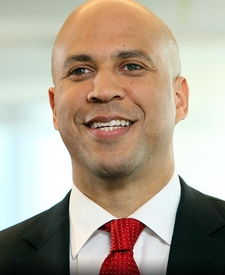
In CommitteeMr. Bennet (for himself, Mr. Kaine, Mr. Booker, Ms. Duckworth, …
Read twice and referred to the Committee on Finance.
Introduced in Senate
Stakeholder Effects
cui bono?How this legislation distributes effects. Mention counts reflect frequency, not effect magnitude.
ACA market consumers who could gain access to a federally administered public coverage option, Health care providers required to participate in Medicare-X as a condition of broader federal program participation, Health care providers that could be paid at Medicare-linked rates under Medicare-X
Positive-direction: ACA market consumers who could gain access to a federally administered public coverage option, Individual-market consumers who could see lower premiums through federal reinsurance support, Marketplace enrollees and households that become eligible for larger or broader premium tax credits, Medicare-X enrollees protected against discriminatory provider restrictions, Medicare-X enrollees who could gain broader provider-network access
Negative-direction: Health care providers required to participate in Medicare-X as a condition of broader federal program participation, Health care providers that could be paid at Medicare-linked rates under Medicare-X, Private health insurers that would face a new public competitor in ACA markets, Providers that could face exclusion from federal programs for discriminating against Medicare-X enrollees
DOJ Antitrust Division and FTC receiving additional funding for health care market studies and enforcement, DOJ and FTC officials required to prepare and submit health-care antitrust reports to Congress, Federal agencies and budget resources used to establish and administer Medicare-X
Positive-direction: DOJ Antitrust Division and FTC receiving additional funding for health care market studies and enforcement
Negative-direction: DOJ and FTC officials required to prepare and submit health-care antitrust reports to Congress, Federal agencies and budget resources used to establish and administer Medicare-X, Federal budget resources committed to finance the reinsurance mechanism, Federal revenues and spending affected by broader premium tax credit eligibility, HHS and contracted plan administrators required to operate the public option under ACA plan standards, HHS officials empowered to design and implement delivery-system reforms for Medicare-X, HHS officials responsible for premium setting and risk-pool administration, HHS officials using the data to set rates and evaluate disparities in the public option
Bill Structure & Actor Mappings
Who is "The Secretary" in each section?
- "the_secretary"
- → Secretary of Health and Human Services
We use a combination of our own taxonomy and classification in addition to large language models to assess meaning and potential beneficiaries. High confidence means strong textual evidence. Always verify with the original bill text.
Learn more about our methodology