National Strategy for Combating Scams Act of 2025
Analysis under review: This bill has generated analysis that may be too generic or incomplete. Clause-level evidence remains available below.
Summary
What This Bill Does
This bill requires the FBI to lead an interagency working group to produce and periodically update a National Strategy for Combating Scams and requires the FBI, FTC, and CFPB to adopt a common definition of scam.
Who Benefits and How
Consumers, scam survivors, older adults, and people vulnerable to fraud could benefit from more coordinated federal scam prevention, a common government definition of scams, and clearer anti-scam responsibilities across agencies.
Who Bears the Burden and How
The FBI and multiple federal agencies would need to coordinate strategy development, stakeholder engagement, updates, and adoption of a common definition of scam.
Key Provisions
- Requires the FBI to assemble a working group with numerous federal agencies to develop a national anti-scam strategy.
- Requires the strategy to define scams, assess risks and prevention methods, identify agency roles, and consider better measurement of scam losses.
- Requires the FBI, FTC, and CFPB to adopt the strategy's common definition of scam and updated versions of that definition.
Evidence Chain:
This summary is generated from the full bill text using AI analysis. Expand "Detailed Analysis" below for identified beneficiaries/burden bearers.
At a Glance
What This Bill Does
This bill requires the FBI to lead an interagency working group to produce and periodically update a National Strategy for Combating Scams and requires the FBI, FTC, and CFPB to adopt a common definition of scam.
Key Policy Areas
Consumer Protection, Financial Services, Government Administration
Primary Purpose
This bill requires the FBI to lead an interagency working group to produce and periodically update a National Strategy for Combating Scams and requires the FBI, FTC, and CFPB to adopt a common definition of scam.
Policy Domains
Main Provisions
Identified Gains
Contextual inference, no direct clause citation- Consumers and scam survivors benefiting from more coordinated anti-scam policy
Contextual inference, no direct clause citation
Identified Costs
Contextual inference, no direct clause citation- The FBI and participating federal agencies responsible for strategy development and common-definition adoption
Contextual inference, no direct clause citation
Sponsors



Legislative Progress
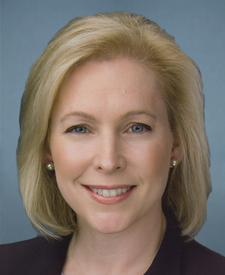
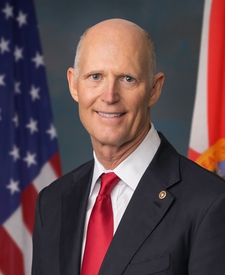
In CommitteeMrs. Gillibrand (for herself, Mr. Scott of Florida, Mr. Kelly, …
Read twice and referred to the Committee on the Judiciary.
Introduced in Senate
Stakeholder Effects
cui bono?How this legislation distributes effects. Mention counts reflect frequency, not effect magnitude.
The FBI and participating federal agencies responsible for strategy development and coordination, The FBI, FTC, and CFPB required to align their anti-scam work around a common definition
Consumers and scam survivors who may benefit from more coordinated scam-prevention policy
Bill Structure & Actor Mappings
Who is "The Secretary" in each section?
We use a combination of our own taxonomy and classification in addition to large language models to assess meaning and potential beneficiaries. High confidence means strong textual evidence. Always verify with the original bill text.
Learn more about our methodology