QUIET Act
Analysis under review: This bill has generated analysis that may be too generic or incomplete. Clause-level evidence remains available below.
Summary
What This Bill Does
This bill requires robocallers using AI to disclose that fact at the start of a call or text and doubles available penalties and criminal fines for AI impersonation used to defraud, harm, or wrongfully obtain value.
Who Benefits and How
Consumers and message recipients could receive clearer warning when AI is used in robocalls and stronger deterrence against AI-enabled impersonation scams.
Who Bears the Burden and How
Robocall and text-message operators using AI would face new disclosure duties and potentially doubled penalties if they use AI to impersonate others for fraud or harm.
Key Provisions
- Requires disclosure at the beginning of a robocall or text when AI is used to emulate a human being.
- Defines robocalls and text messages broadly to cover multiple communication formats while excluding substantial human intervention and real-time two-way communications.
- Doubles certain forfeiture penalties and criminal fines for AI impersonation in robocalls and texts used to defraud or cause harm.
Evidence Chain:
This summary is generated from the full bill text using AI analysis. Expand "Detailed Analysis" below for identified beneficiaries/burden bearers.
At a Glance
What This Bill Does
This bill requires robocallers using AI to disclose that fact at the start of a call or text and doubles available penalties and criminal fines for AI impersonation used to defraud, harm, or wrongfully obtain value.
Key Policy Areas
Telecommunications, Consumer Protection, Government Administration
Primary Purpose
This bill requires robocallers using AI to disclose that fact at the start of a call or text and doubles available penalties and criminal fines for AI impersonation used to defraud, harm, or wrongfully obtain value.
Policy Domains
Main Provisions
Identified Gains
Contextual inference, no direct clause citation- Consumers and communications recipients seeking clearer disclosure and stronger deterrence against AI-enabled robocall scams
Contextual inference, no direct clause citation
Identified Costs
Contextual inference, no direct clause citation- Robocall and text-message operators using AI who face new disclosure duties and higher penalties
Contextual inference, no direct clause citation
Sponsors
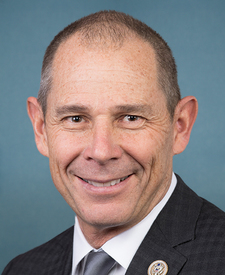
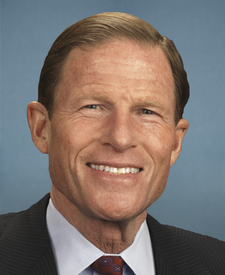
Legislative Progress
In CommitteeMr. Curtis (for himself and Mr. Blumenthal) introduced the following …
Read twice and referred to the Committee on Commerce, Science, …
Introduced in Senate
Stakeholder Effects
cui bono?How this legislation distributes effects. Mention counts reflect frequency, not effect magnitude.
Robocall and text-message operators using AI impersonation for fraud or harm, Robocall and text-message operators using AI who must provide new disclosures
Consumers and impersonation targets who gain stronger deterrence against AI-enabled robocall scams, Consumers and message recipients who gain clearer notice when AI is used to emulate a human being
Bill Structure & Actor Mappings
Who is "The Secretary" in each section?
We use a combination of our own taxonomy and classification in addition to large language models to assess meaning and potential beneficiaries. High confidence means strong textual evidence. Always verify with the original bill text.
Learn more about our methodology