AI Workforce PREPARE Act
Analysis under review: This bill has generated analysis that may be too generic or incomplete. Clause-level evidence remains available below.
Summary
What This Bill Does
Directs the federal government to collect new data, run research and prize initiatives, improve surveys and layoff disclosures, build forecasting tools, and study worker-assistance options for labor-market impacts of artificial intelligence.
Who Benefits and How
Workers, policymakers, researchers, and training providers benefit from new AI-related labor-market data, forecasting tools, research capacity, and potential future adjustment-assistance design.
Who Bears the Burden and How
The Department of Labor, Commerce agencies, NSF, participating states, and some employers face new data collection, reporting, forecasting, and disclosure obligations.
Key Provisions
- Requires a request for comment, expert workshop, and follow-up report on implementing AI workforce monitoring tools.
- Creates special hiring authority and an AI Workforce Research Hub inside the Department of Labor.
- Launches NIST and NSF prize competitions, voluntary data-sharing efforts, updated survey questions, and new AI-related WARN disclosures.
- Requires recurring forecasts, grant-program integration reports, a study of AI adjustment assistance, state forecast usage, and standardized workforce data work.
Evidence Chain:
This summary is generated from the full bill text using AI analysis. Expand "Detailed Analysis" below for identified beneficiaries/burden bearers.
At a Glance
What This Bill Does
Directs the federal government to collect new data, run research and prize initiatives, improve surveys and layoff disclosures, build forecasting tools, and study worker-assistance options for labor-market impacts of artificial intelligence.
Key Policy Areas
Labor, Technology, Government Operations
Primary Purpose
Directs the federal government to collect new data, run research and prize initiatives, improve surveys and layoff disclosures, build forecasting tools, and study worker-assistance options for labor-market impacts of artificial intelligence.
Policy Domains
Main Provisions
Identified Gains
Contextual inference, no direct clause citation- Workers and job seekers
- Workforce policymakers and researchers
- Training providers
Contextual inference, no direct clause citation
Identified Costs
Contextual inference, no direct clause citation- Department of Labor and partner agencies
- Employers conducting AI-related layoffs
Contextual inference, no direct clause citation
Sponsors


Legislative Progress
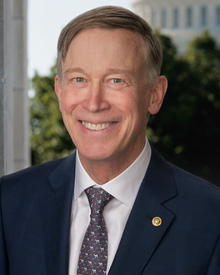
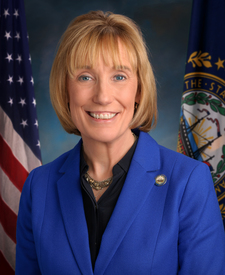
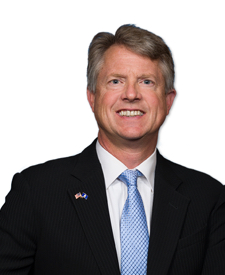
In CommitteeMr. Banks (for himself, Ms. Hassan, Mr. Hickenlooper, and Mr. …
Read twice and referred to the Committee on Health, Education, …
Introduced in Senate
Stakeholder Effects
cui bono?How this legislation distributes effects. Mention counts reflect frequency, not effect magnitude.
Bureau of Labor Statistics and Department of Labor, Census Bureau and Bureau of Labor Statistics, Department of Labor
Department of Labor faces effects in multiple directions
Dislocated workers affected by AI-related layoffs, Employers conducting AI-related mass layoffs, Researchers and workforce policy analysts
Positive-direction: Dislocated workers affected by AI-related layoffs, Researchers and workforce policy analysts, Trainees and job seekers, Training providers and workforce grant makers, Workers and job seekers affected by artificial intelligence, Workforce policymakers and researchers
Negative-direction: Employers conducting AI-related mass layoffs
AI and advanced data experts eligible for appointment, AI benchmark developers and researchers, Forecasters and AI labor-market researchers
Bill Structure & Actor Mappings
Who is "The Secretary" in each section?
- "the secretary"
- → Secretary of Labor
We use a combination of our own taxonomy and classification in addition to large language models to assess meaning and potential beneficiaries. High confidence means strong textual evidence. Always verify with the original bill text.
Learn more about our methodology