Digital Skills for Today’s Workforce Act
Analysis under review: This bill has generated analysis that may be too generic or incomplete. Clause-level evidence remains available below.
Summary
What This Bill Does
Amends the Workforce Innovation and Opportunity Act to promote digital equity by creating a digital skills grant program for states and other eligible entities.
Who Benefits and How
Workers with digital skills gaps, state workforce systems, adult education providers, and other training partners benefit from new federal support for digital workplace skills.
Who Bears the Burden and How
The Department of Labor and participating states or fallback eligible entities face new application, reporting, coordination, and grant-administration requirements.
Key Provisions
- States the bill's purpose of promoting digital equity and resilient workforce systems.
- Creates a new WIOA digital skills at work grant program with definitions, funding formulae, and application rules.
- Targets workers seeking jobs and workers with barriers to employment, especially those with low digital literacy indicators.
Evidence Chain:
This summary is generated from the full bill text using AI analysis. Expand "Detailed Analysis" below for identified beneficiaries/burden bearers.
At a Glance
What This Bill Does
Amends the Workforce Innovation and Opportunity Act to promote digital equity by creating a digital skills grant program for states and other eligible entities.
Key Policy Areas
Labor, Technology, Education
Primary Purpose
Amends the Workforce Innovation and Opportunity Act to promote digital equity by creating a digital skills grant program for states and other eligible entities.
Policy Domains
Main Provisions
Identified Gains
Contextual inference, no direct clause citation- Workers with low digital skills
- State workforce and education systems
Contextual inference, no direct clause citation
Identified Costs
Contextual inference, no direct clause citation- Department of Labor grant administrators
- Participating states and eligible entities
Contextual inference, no direct clause citation
Sponsors
Legislative Progress
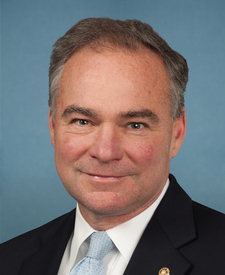
In CommitteeMr. Kaine introduced the following bill; which was read twice …
Read twice and referred to the Committee on Health, Education, …
Introduced in Senate
Stakeholder Effects
cui bono?How this legislation distributes effects. Mention counts reflect frequency, not effect magnitude.
Department of Labor grant administrators, States and eligible entities administering digital skills programs
Positive-direction: States and eligible entities administering digital skills programs
Negative-direction: Department of Labor grant administrators
Workers with low digital skills or barriers to employment
Bill Structure & Actor Mappings
Who is "The Secretary" in each section?
- "the secretary"
- → Secretary of Labor
We use a combination of our own taxonomy and classification in addition to large language models to assess meaning and potential beneficiaries. High confidence means strong textual evidence. Always verify with the original bill text.
Learn more about our methodology