Artificial Intelligence Civil Rights Act of 2025
Analysis under review: This bill has generated analysis that may be too generic or incomplete. Clause-level evidence remains available below.
Summary
What This Bill Does
Creates a broad civil-rights and consumer-protection regime for covered algorithms, centered on discrimination limits, pre- and post-deployment evaluations, transparency, FTC oversight, state and private enforcement, and federal implementation resources.
Who Benefits and How
Individuals affected by consequential algorithmic decisions gain stronger protections against discriminatory and opaque systems, including assessments, disclosures, appeals, enforcement, and remedies.
Who Bears the Burden and How
Developers and deployers of covered algorithms face extensive testing, documentation, disclosure, and enforcement obligations, while the FTC and other agencies must build a substantial oversight apparatus.
Key Provisions
- Defines covered algorithms and bars discriminatory use in consequential decisions.
- Requires pre-deployment evaluations, impact assessments, covered-algorithm standards, developer-deployer duties, disclosures, and human-alternative protections.
- Provides FTC, state, and private enforcement mechanisms and adds federal staffing and funding support.
Evidence Chain:
This summary is generated from the full bill text using AI analysis. Expand "Detailed Analysis" below for identified beneficiaries/burden bearers.
At a Glance
What This Bill Does
Creates a broad civil-rights and consumer-protection regime for covered algorithms, centered on discrimination limits, pre- and post-deployment evaluations, transparency, FTC oversight, state and private enforcement, and federal implementation resources.
Key Policy Areas
Technology, Civil Liberties, Labor, Government Operations
Primary Purpose
Creates a broad civil-rights and consumer-protection regime for covered algorithms, centered on discrimination limits, pre- and post-deployment evaluations, transparency, FTC oversight, state and private enforcement, and federal implementation resources.
Policy Domains
Main Provisions
Identified Gains
Contextual inference, no direct clause citation- Individuals subject to consequential algorithmic decisions
Contextual inference, no direct clause citation
Identified Costs
Contextual inference, no direct clause citation- Developers and deployers of covered algorithms
- Federal Trade Commission and other implementing agencies
Contextual inference, no direct clause citation
Sponsors
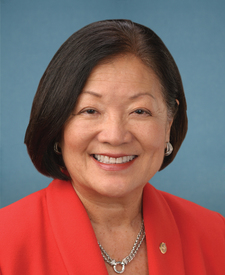
Legislative Progress
In CommitteeMr. Markey (for himself, Mr. Booker, Mr. Merkley, Ms. Warren, …
Read twice and referred to the Committee on Commerce, Science, …
Introduced in Senate
Stakeholder Effects
cui bono?How this legislation distributes effects. Mention counts reflect frequency, not effect magnitude.
Developers and deployers of covered algorithms, Independent auditors of covered algorithms
Positive-direction: Independent auditors of covered algorithms
Negative-direction: Developers and deployers of covered algorithms
Individuals exercising rights or whistleblowing under the Act, Individuals harmed by covered algorithms, Individuals seeking explanations of algorithmic decisions
Federal Trade Commission, Federal budget, Office of Personnel Management
Federal Trade Commission faces effects in multiple directions
Bill Structure & Actor Mappings
Who is "The Secretary" in each section?
We use a combination of our own taxonomy and classification in addition to large language models to assess meaning and potential beneficiaries. High confidence means strong textual evidence. Always verify with the original bill text.
Learn more about our methodology