Mikaela Naylon Give Kids a Chance Act of 2025
Summary
What This Bill Does
The bill expands requirements for molecularly targeted pediatric cancer investigations by requiring drug manufacturers to conduct pediatric studies when their cancer drugs target molecular pathways relevant to pediatric cancers and requires extends the rare pediatric disease priority review voucher program from December 2024 to September 2030, modifies the timing of user fee payment for priority review vouchers, and requires a GAO study on. It relies on reporting requirements, compliance mandates, and exemptions. The main policy areas are Healthcare, Trade, and Science & Space.
Who Benefits and How
Pharmaceutical companies developing drugs for rare pediatric diseases could gain revenue opportunities, Small and mid-sized biotech companies focused on rare diseases could gain revenue opportunities, and Pediatric cancer patients and families could gain revenue opportunities.
Who Bears the Burden and How
Pharmaceutical companies developing molecularly targeted cancer drugs would take on compliance duties, Pharmaceutical companies with approved adult cancer drugs targeting molecular pathways relevant to pediatric cancer would take on compliance duties, and Biotech firms developing combination cancer therapies would take on compliance duties.
Key Provisions
- Expands requirements for molecularly targeted pediatric cancer investigations by requiring drug manufacturers to conduct pediatric studies when their cancer drugs target molecular pathways relevant to pediatric cancers...
- Requires extends the rare pediatric disease priority review voucher program from December 2024 to September 2030, modifies the timing of user fee payment for priority review vouchers, and requires a GAO study on...
Evidence Chain:
This summary is generated from the full bill text using AI analysis. Expand "Detailed Analysis" below for identified beneficiaries/burden bearers with clause-level evidence links.
At a Glance
What This Bill Does
The bill expands requirements for molecularly targeted pediatric cancer investigations by requiring drug manufacturers to conduct pediatric studies when their cancer drugs target molecular pathways relevant to pediatric cancers and requires extends the rare pediatric disease priority review voucher program from December 2024 to September 2030, modifies the timing of user fee payment for priority review vouchers, and requires a GAO study on.
Key Policy Areas
Healthcare, Trade, Science & Space
Primary Purpose
The bill expands requirements for molecularly targeted pediatric cancer investigations by requiring drug manufacturers to conduct pediatric studies when their cancer drugs target molecular pathways relevant to pediatric cancers and requires extends the rare pediatric disease priority review voucher program from December 2024 to September 2030, modifies the timing of user fee payment for priority review vouchers, and requires a GAO study on.
Policy Domains
Section 1 - Short Title
Identified Gains
- Pharmaceutical companies developing drugs for rare pediatric diseases
- Small and mid-sized biotech companies focused on rare diseases
- Pediatric cancer patients and families
- Large pharmaceutical companies seeking priority FDA review
- Children with rare pediatric diseases
Identified Costs
- Pharmaceutical companies developing molecularly targeted cancer drugs
- Pharmaceutical companies with approved adult cancer drugs targeting molecular pathways relevant to pediatric cancer
- Biotech firms developing combination cancer therapies
- FDA Center for Drug Evaluation and Research
- FDA priority review processing
Sponsors
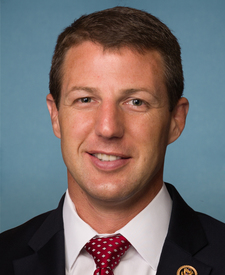
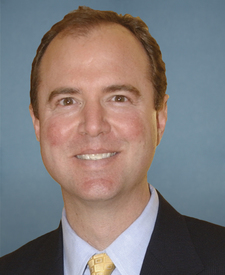

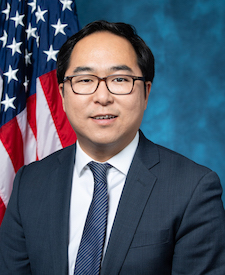

Legislative Progress
In CommitteeMr. Mullin (for himself, Mr. Bennet, Ms. Klobuchar, Mrs. Shaheen, …
Read twice and referred to the Committee on Health, Education, …
Introduced in Senate
Stakeholder Effects
cui bono?How this legislation distributes effects. Mention counts reflect frequency, not effect magnitude.
Large pharmaceutical companies seeking priority FDA review, Pharmaceutical companies developing drugs for rare pediatric diseases, Pharmaceutical companies developing molecularly targeted cancer drugs
Positive-direction: Large pharmaceutical companies seeking priority FDA review, Pharmaceutical companies developing drugs for rare pediatric diseases
Negative-direction: Pharmaceutical companies developing molecularly targeted cancer drugs, Pharmaceutical companies with approved adult cancer drugs targeting molecular pathways relevant to pediatric cancer
Biotech firms developing combination cancer therapies, Small and mid-sized biotech companies focused on rare diseases
Positive-direction: Small and mid-sized biotech companies focused on rare diseases
Negative-direction: Biotech firms developing combination cancer therapies
Children with rare pediatric diseases, Pediatric cancer patients and families
FDA Center for Drug Evaluation and Research, FDA priority review processing
Pediatric oncology clinical trial organizations
Bill Structure & Actor Mappings
Who is "The Secretary" in each section?
- "the_secretary"
- → Secretary of Health and Human Services (acting through the Commissioner of Food and Drugs)
- "the_comptroller_general"
- → Comptroller General of the United States
- "the_secretary"
- → Secretary of Health and Human Services
- "the_comptroller_general"
- → Comptroller General of the United States
Key Definitions
Terms defined in this bill
A voucher awarded under section 529 of the Federal Food, Drug, and Cosmetic Act for drugs treating rare pediatric diseases, which can be used to obtain priority FDA review for any subsequent drug application.
An investigation of a drug or biological product that is directed at a molecular target the Secretary determines to be substantially relevant to the growth or progression of a pediatric cancer, or a drug used in combination with an active ingredient that is part of the standard of care for treating a pediatric cancer.
We use a combination of our own taxonomy and classification in addition to large language models to assess meaning and potential beneficiaries. High confidence means strong textual evidence. Always verify with the original bill text.
Learn more about our methodology