S3299-119

In Committee

DSH in Tennessee Act

119th Congress Introduced Dec 2, 2025

Analysis under review: This bill has generated analysis that may be too generic or incomplete. Clause-level evidence remains available below.

Summary

What This Bill Does

This bill permanently restores Tennessee's Medicaid Disproportionate Share Hospital (DSH) allotment, which provides federal funding to hospitals that serve a high proportion of low-income and uninsured patients. Tennessee had previously lost its DSH allotment under the TennCare waiver demonstration project. This bill sets Tennessee's DSH allotment starting FY2026 equal to its 2015 level, adjusted for inflation, and treats Tennessee as a "low DSH state" going forward.

Who Benefits and How

  • Tennessee hospitals serving uninsured and Medicaid patients receive restored federal DSH payments, providing crucial revenue for safety-net healthcare services
  • Low-income Tennessee residents benefit from hospitals having financial support to continue providing care regardless of patients' ability to pay
  • Tennessee state government gains access to additional federal Medicaid funds without having to restructure its TennCare program
  • Rural hospitals in Tennessee many of which are financially distressed, receive stabilized funding

Who Bears the Burden and How

  • Federal government/taxpayers bear the cost of increased Medicaid DSH spending to Tennessee
  • Other states may face budget pressure if overall DSH funding is capped and Tennessee's restoration reduces funds available to others

Key Provisions

  • Establishes permanent DSH allotment for Tennessee beginning fiscal year 2026
  • Sets FY2026 allotment equal to Tennessee's FY2015 DSH allotment, adjusted for CPI inflation
  • Classifies Tennessee as a "low DSH state" for future years, ensuring continued annual increases
  • Overrides limitations in the TennCare Demonstration Project waiver

Evidence Chain:

This summary is generated from the full bill text using AI analysis. Expand "Detailed Analysis" below for identified beneficiaries/burden bearers.

At a Glance

What This Bill Does

Restores and permanently establishes Medicaid Disproportionate Share Hospital (DSH) allotments for Tennessee starting in fiscal year 2026, ensuring hospitals serving low-income patients receive continued federal funding

Who Benefits

  • Tennessee hospitals
  • Tennessee safety-net healthcare providers
  • Low-income Tennessee residents

Who Bears Costs

  • Federal budget/taxpayers
  • Potentially other states competing for limited DSH funding

Key Policy Areas

Healthcare, Medicaid, Hospital Finance, State Budgets

Primary Purpose

Restores and permanently establishes Medicaid Disproportionate Share Hospital (DSH) allotments for Tennessee starting in fiscal year 2026, ensuring hospitals serving low-income patients receive continued federal funding

Policy Domains

Healthcare Medicaid Hospital Finance State Budgets

Legislative Strategy

"State-specific carve-out to restore federal healthcare funding that was previously waived under TennCare demonstration project"

Legislative Progress

In Committee
Introduced Committee Passed
Dec 2, 2025

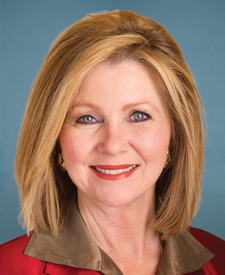
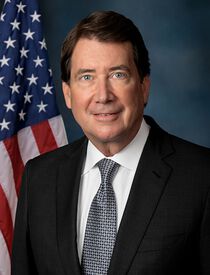
Mrs. Blackburn (for herself and Mr. Hagerty) introduced the following …

Dec 2, 2025

Read twice and referred to the Committee on Finance.

Dec 2, 2025

Introduced in Senate

Bill Structure & Actor Mappings

Who is "The Secretary" in each section?

Domains
Healthcare
Domains
Healthcare Medicaid

Key Definitions

Terms defined in this bill

2 terms
"DSH (Disproportionate Share Hospital)" §DSH

Federal Medicaid payments to hospitals that serve a disproportionate number of low-income patients, including Medicaid beneficiaries and uninsured individuals

"Low DSH State" §low_DSH_state

A state classified under Social Security Act 1923(f)(5)(B) that receives annual DSH allotment increases

We use a combination of our own taxonomy and classification in addition to large language models to assess meaning and potential beneficiaries. High confidence means strong textual evidence. Always verify with the original bill text.

Learn more about our methodology