Veterans Appeals Improvement and Modernization Act 2.0
Summary
What This Bill Does
The bill requires the Board of Veterans Appeals to include detailed information in decision notices to claimants, including identification of issues adjudicated, summary of evidence, applicable laws, favorable findings, reasons, creates new Section 5109C requiring the Secretary of Veterans Affairs to submit annually to Congress and publish online a report on appeal outcomes, disaggregated by type of review, agency of original jurisdiction, and establishes the statutory text for new Section 5109C, mandating the Secretary of Veterans Affairs to annually report and publish deidentified data on appeal outcomes, broken down by review type, originating agency. It relies on reporting requirements. The main policy areas are Veterans Affairs and Science & Space.
Who Benefits and How
Veterans and their representatives appealing benefits decisions could face lower compliance burdens, Congress (oversight function) would be affected, and Veterans seeking to understand appeal success rates could face lower compliance burdens.
Who Bears the Burden and How
Department of Veterans Affairs would take on compliance duties, Government Accountability Office would take on compliance duties, and Board of Veterans Appeals administrative staff would take on compliance duties.
Key Provisions
- Requires the Board of Veterans Appeals to include detailed information in decision notices to claimants, including identification of issues adjudicated, summary of evidence, applicable laws, favorable findings, reasons...
- Creates new Section 5109C requiring the Secretary of Veterans Affairs to submit annually to Congress and publish online a report on appeal outcomes, disaggregated by type of review, agency of original jurisdiction...
- Establishes the statutory text for new Section 5109C, mandating the Secretary of Veterans Affairs to annually report and publish deidentified data on appeal outcomes, broken down by review type, originating agency...
- Directs the Comptroller General (GAO) to review the VA implementation of precedential decisions from the U.S.
Evidence Chain:
This summary is generated from the full bill text using AI analysis. Expand "Detailed Analysis" below for identified beneficiaries/burden bearers with clause-level evidence links.
At a Glance
What This Bill Does
The bill requires the Board of Veterans Appeals to include detailed information in decision notices to claimants, including identification of issues adjudicated, summary of evidence, applicable laws, favorable findings, reasons, creates new Section 5109C requiring the Secretary of Veterans Affairs to submit annually to Congress and publish online a report on appeal outcomes, disaggregated by type of review, agency of original jurisdiction, and establishes the statutory text for new Section 5109C, mandating the Secretary of Veterans Affairs to annually report and publish deidentified data on appeal outcomes, broken down by review type, originating agency.
Key Policy Areas
Veterans Affairs, Science & Space
Primary Purpose
The bill requires the Board of Veterans Appeals to include detailed information in decision notices to claimants, including identification of issues adjudicated, summary of evidence, applicable laws, favorable findings, reasons, creates new Section 5109C requiring the Secretary of Veterans Affairs to submit annually to Congress and publish online a report on appeal outcomes, disaggregated by type of review, agency of original jurisdiction, and establishes the statutory text for new Section 5109C, mandating the Secretary of Veterans Affairs to annually report and publish deidentified data on appeal outcomes, broken down by review type, originating agency.
Policy Domains
General - Veterans Appeals Process
Identified Gains
- Veterans and their representatives appealing benefits decisions
- Congress (oversight function)
- Veterans seeking to understand appeal success rates
- Veterans affected by inconsistent application of legal precedents
- Veterans Service Organizations providing legal representation
Identified Costs
- Department of Veterans Affairs
- Government Accountability Office
- Board of Veterans Appeals administrative staff
Sponsors

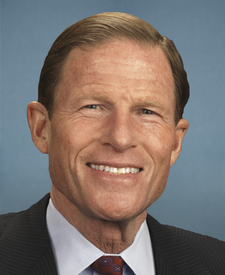
Legislative Progress
In CommitteeCommittee on Veterans' Affairs. Hearings held.
Mr. Cassidy (for himself and Mr. Blumenthal) introduced the following …
Read twice and referred to the Committee on Veterans' Affairs.
Introduced in Senate
Stakeholder Effects
cui bono?How this legislation distributes effects. Mention counts reflect frequency, not effect magnitude.
Board of Veterans Appeals administrative staff, Congress (oversight function), Department of Veterans Affairs
Positive-direction: Congress (oversight function)
Negative-direction: Board of Veterans Appeals administrative staff, Department of Veterans Affairs, Government Accountability Office
Veterans affected by inconsistent application of legal precedents, Veterans and their representatives appealing benefits decisions, Veterans seeking to understand appeal success rates
Veterans Service Organizations providing legal representation, Veterans and advocacy organizations seeking to identify systemic issues
Researchers studying VA claims and appeals processes
Bill Structure & Actor Mappings
Who is "The Secretary" in each section?
- "the_board"
- → Board of Veterans' Appeals
- "the_chairman"
- → Chairman of the Board of Veterans' Appeals
- "the_secretary"
- → Secretary of Veterans Affairs
- "the_comptroller_general"
- → Comptroller General of the United States (GAO)
- "agency_of_original_jurisdiction"
- → VA Regional Offices that make initial benefit decisions
Key Definitions
Terms defined in this bill
The queue or track for processing appeals at the Board of Veterans' Appeals (e.g., direct review, evidence submission, hearing)
Maintaining an unbroken chain of appeals activity that preserves effective dates for benefits
A new claim filed with the agency of original jurisdiction, allowing the appellant to submit new evidence
A review of a decision by a more senior adjudicator at the agency of original jurisdiction or by a panel at the Board
A formal document filed by a veteran or claimant to initiate an appeal of a VA benefits decision
Decisions by the U.S. Court of Appeals for Veterans Claims or VA Office of General Counsel that set binding legal standards
We use a combination of our own taxonomy and classification in addition to large language models to assess meaning and potential beneficiaries. High confidence means strong textual evidence. Always verify with the original bill text.
Learn more about our methodology