Streamline Transit Projects Act
Analysis under review: This bill has generated analysis that may be too generic or incomplete. Clause-level evidence remains available below.
Summary
What This Bill Does
The Streamline Transit Projects Act allows large transit agencies (those serving metropolitan areas with over 200,000 people) to take over responsibility from the federal government for determining which transit projects qualify for expedited environmental review under NEPA. Currently, the Secretary of Transportation makes these "categorical exclusion" determinations; this bill shifts that authority to local transit agencies that can prove they have the capability to handle it.
Who Benefits and How
Large metropolitan transit agencies benefit by gaining control over their own environmental review timelines, potentially speeding up project delivery by months or years. Transit construction contractors and engineering firms benefit from faster project starts and more predictable timelines. The Federal Transit Administration benefits from reduced workload as local agencies assume these responsibilities.
Who Bears the Burden and How
Transit agencies that assume this authority take on full legal liability for their categorical exclusion decisions - if they make an error, they face federal court jurisdiction and the federal government is off the hook. Environmental advocacy groups lose federal oversight of transit project reviews, potentially reducing their ability to challenge projects. Communities near transit projects may face reduced environmental scrutiny, though the bill requires agencies to maintain the same standards the federal government would apply.
Key Provisions
- Defines "eligible recipient" as transit agencies in urbanized areas with 200,000+ population that demonstrate legal, technical, and financial capacity
- Creates memoranda of understanding (3-year terms, extendable to 5 years for experienced agencies) between DOT and transit agencies
- Transfers full legal liability to transit agencies that assume categorical exclusion authority
- Allows transit agencies to use federal transit funds for attorney fees related to these responsibilities
- Maintains federal monitoring and allows DOT to terminate the arrangement if an agency fails to perform adequately
Evidence Chain:
This summary is generated from the full bill text using AI analysis. Expand "Detailed Analysis" below for identified beneficiaries/burden bearers.
At a Glance
What This Bill Does
Allows eligible transit agencies in urbanized areas with populations over 200,000 to assume responsibility from the Secretary of Transportation for determining NEPA categorical exclusions for transit projects, streamlining environmental review processes.
Who Benefits
- Large metropolitan transit agencies (population > 200,000)
- Transit project contractors and construction companies
- Urban commuters who benefit from faster project completion
Who Bears Costs
- Transit agencies assuming new legal liability for environmental compliance
- Environmental advocacy groups losing federal oversight of transit project reviews
- Affected communities if environmental reviews are less thorough
Key Policy Areas
Transportation, Environmental Review, Public Transit, NEPA Reform
Primary Purpose
Allows eligible transit agencies in urbanized areas with populations over 200,000 to assume responsibility from the Secretary of Transportation for determining NEPA categorical exclusions for transit projects, streamlining environmental review processes.
Policy Domains
Legislative Strategy
"Decentralize NEPA categorical exclusion determinations to qualified local transit agencies to accelerate project delivery timelines"
Identified Gains
- Large metropolitan transit agencies (population > 200,000)
- Transit project contractors and construction companies
- Urban commuters who benefit from faster project completion
Identified Costs
- Transit agencies assuming new legal liability for environmental compliance
- Environmental advocacy groups losing federal oversight of transit project reviews
- Affected communities if environmental reviews are less thorough
Sponsors

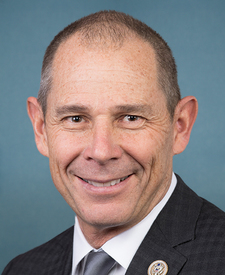


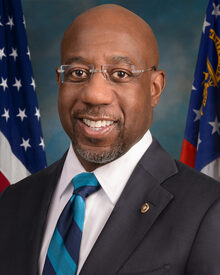
Legislative Progress
In CommitteeMr. Lee (for himself, Mr. Curtis, Mr. Kelly, and Mr. …
Read twice and referred to the Committee on Banking, Housing, …
Introduced in Senate
Stakeholder Effects
cui bono?How this legislation distributes effects. Mention counts reflect frequency, not effect magnitude.
Large metropolitan transit agencies (urbanized areas >200,000 population), Transit agencies assuming categorical exclusion authority
Positive-direction: Large metropolitan transit agencies (urbanized areas >200,000 population)
Negative-direction: Transit agencies assuming categorical exclusion authority
Department of Transportation (Federal Transit Administration), Secretary of Transportation / Federal Transit Administration
Transit construction contractors and engineering firms, Transit project contractors and construction companies
Legal services firms specializing in transit/environmental law
Bill Structure & Actor Mappings
Who is "The Secretary" in each section?
- "the_secretary"
- → Secretary of Transportation
- "eligible_recipient"
- → Transit agency in urbanized area with population > 200,000 that demonstrates legal, technical, and financial capacity
Key Definitions
Terms defined in this bill
A direct recipient of funds under Chapter 53 that (1) is located in an urbanized area with a population of more than 200,000 individuals; and (2) demonstrates to the Secretary that the recipient has the legal, technical, and financial capacity to perform the responsibilities required under this section.
Classes of action identified by the Secretary that are categorically excluded from requirements for environmental assessments or environmental impact statements pursuant to 23 CFR Part 771 or any successor regulation.
We use a combination of our own taxonomy and classification in addition to large language models to assess meaning and potential beneficiaries. High confidence means strong textual evidence. Always verify with the original bill text.
Learn more about our methodology