Strategic Subsea Cables Act of 2026
Summary
What This Bill Does
The Strategic Subsea Cables Act treats subsea telecommunications infrastructure as critical national security infrastructure. It directs U.S. engagement at the International Cable Protection Committee and related bodies, authorizes sanctions for sabotage of critical undersea infrastructure, requires reports on PRC and Russian activities and potential sabotage, promotes foreign partner engagement, expands State Department expertise with dedicated staff for critical undersea infrastructure, improves U.S. government coordination, and strengthens information sharing with private cable operators while protecting classified sources and methods.
Who Benefits and How
Private subsea cable operators benefit from stronger U.S. diplomatic engagement, information sharing, and sanctions deterrence against sabotage. U.S. internet users benefit because subsea cable security protects the backbone of international connectivity. Allied governments benefit from U.S. coordination on cable security, sabotage response, and resilient telecommunications infrastructure. International Cable Protection Committee participants benefit from a stronger U.S. government presence in technical and policy discussions. Congressional foreign affairs committees benefit from reports on PRC activity, Russian activity, sabotage risk, and implementation.
Who Bears the Burden and How
State Department cyber diplomats must lead engagement, staffing, reports, and international coordination. Treasury Department sanctions staff must implement sanctions against covered sabotage actors and supporters. DNI and intelligence agencies must contribute assessments of PRC, Russian, and sabotage activity. PRC sabotage actors and Russian sabotage actors face sanctions risk for damaging undersea infrastructure. Private subsea cable operators must participate in information sharing and may need to provide sensitive operational data.
Key Provisions
- Requires U.S. engagement at the International Cable Protection Committee and related international bodies.
- Authorizes sanctions for critical undersea infrastructure sabotage and support activity.
- Requires reports on PRC activity, Russian activity, and potential sabotage of undersea infrastructure.
- Requires foreign partner engagement on subsea telecommunications security.
- Expands State Department staffing and expertise for critical undersea infrastructure.
- Improves interagency coordination and information sharing with private subsea cable operators.
Evidence Chain:
This summary is generated from the full bill text using AI analysis. Expand "Detailed Analysis" below for identified beneficiaries/burden bearers with clause-level evidence links.
At a Glance
What This Bill Does
Creates a subsea cable and critical undersea infrastructure security package with sanctions for sabotage, reports on PRC and Russian activity, State Department expertise, international engagement, interagency coordination, and private-sector information sharing.
Key Policy Areas
National Security, Telecommunications, Foreign Affairs, Cybersecurity
Primary Purpose
Creates a subsea cable and critical undersea infrastructure security package with sanctions for sabotage, reports on PRC and Russian activity, State Department expertise, international engagement, interagency coordination, and private-sector information sharing.
Policy Domains
Bill provisions
Identified Gains
- Private subsea cable operators
- Telecommunications companies
- Cable repair providers
- U.S. internet users
- Allied government agencies
- International Cable Protection Committee participants
- Congressional foreign affairs committees
Identified Costs
- State Department cyber diplomats
- Treasury Department sanctions staff
- DNI intelligence offices
- PRC maritime agencies
- Russian maritime agencies
- Private subsea cable operators
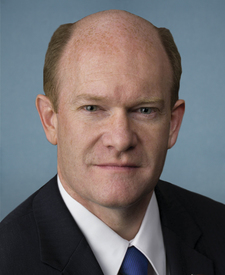
Sponsors




Legislative Progress
ReportedPlaced on Senate Legislative Calendar under General Orders. Calendar No. …
Committee on Foreign Relations. Reported by Senator Risch with an …
Reported by Mr. Risch, with an amendment
Committee on Foreign Relations. Ordered to be reported with an …
Read twice and referred to the Committee on Foreign Relations.
Introduced in Senate
Mrs. Shaheen (for herself and Mr. Barrasso) introduced the following …
Stakeholder Effects
cui bono?How this legislation distributes effects. Mention counts reflect frequency, not effect magnitude.
Allied governments, Congressional foreign affairs committees, DNI
Positive-direction: Allied governments, Congressional foreign affairs committees
Negative-direction: DNI, PRC sabotage actors, Russian sabotage actors, State Department cyber diplomats, Treasury Department sanctions staff
International Cable Protection Committee participants, Private subsea cable operators
Bill Structure & Actor Mappings
Who is "The Secretary" in each section?
- "dni"
- → Director of National Intelligence
- "treasury"
- → Secretary of the Treasury
- "secretary"
- → Secretary of State
We use a combination of our own taxonomy and classification in addition to large language models to assess meaning and potential beneficiaries. High confidence means strong textual evidence. Always verify with the original bill text.
Learn more about our methodology