Anti-Communism Week Act
Analysis under review: This bill has generated analysis that may be too generic or incomplete. Clause-level evidence remains available below.
Summary
What This Bill Does
Designates November 2 through November 8 as Anti-Communism Week and requests an annual presidential proclamation encouraging public observance.
Who Benefits and How
Supporters of the observance could gain a recurring federal commemoration focused on remembrance of harms attributed to communist regimes.
Who Bears the Burden and How
The President would be asked to issue an annual proclamation, but the bill otherwise creates only symbolic federal action.
Key Provisions
- Designates November 2 through November 8 as Anti-Communism Week.
- Requests an annual presidential proclamation calling for public observance.
- Pairs the designation with congressional findings supporting the observance.
Evidence Chain:
This summary is generated from the full bill text using AI analysis. Expand "Detailed Analysis" below for identified beneficiaries/burden bearers.
At a Glance
What This Bill Does
Designates November 2 through November 8 as Anti-Communism Week and requests an annual presidential proclamation encouraging public observance.
Key Policy Areas
Government Operations, Education
Primary Purpose
Designates November 2 through November 8 as Anti-Communism Week and requests an annual presidential proclamation encouraging public observance.
Policy Domains
Main Provisions
Identified Gains
Contextual inference, no direct clause citation- Supporters of the Anti-Communism Week observance
Contextual inference, no direct clause citation
Identified Costs
Contextual inference, no direct clause citation- The President and executive staff preparing proclamations
Contextual inference, no direct clause citation
Sponsors

Legislative Progress
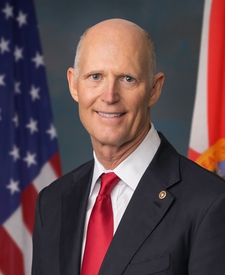
In CommitteeMr. Scott of Florida introduced the following bill; which was …
Read twice and referred to the Committee on the Judiciary.
Introduced in Senate
Impact analysis is available but no clear stakeholder effects identified. View clause-level analysis →
Bill Structure & Actor Mappings
Who is "The Secretary" in each section?
We use a combination of our own taxonomy and classification in addition to large language models to assess meaning and potential beneficiaries. High confidence means strong textual evidence. Always verify with the original bill text.
Learn more about our methodology