To amend the Older Americans Act of 1965 to provide financial planning services related to the needs of family caregivers, and for other purposes.
Summary
What This Bill Does
The bill amends Title IV of the Older Americans Act of 1965 by inserting a new Section 415 after Section 414 (42 U.S.C and creates a new Section 415 in the Older Americans Act establishing a federal grant program for financial planning services targeted at family caregivers. It relies on grants and definition changes. The main policy areas are Social Welfare, Aging Services, Education, and Finance.
Who Benefits and How
Tribal organizations could gain revenue opportunities, Area agencies on aging could gain revenue opportunities, and Older relative caregivers (55+ caring for children/disabled) could gain revenue opportunities.
Who Bears the Burden and How
Administration for Community Living would take on compliance duties.
Key Provisions
- Amends Title IV of the Older Americans Act of 1965 by inserting a new Section 415 after Section 414 (42 U.S.C.
- Creates a new Section 415 in the Older Americans Act establishing a federal grant program for financial planning services targeted at family caregivers.
Evidence Chain:
This summary is generated from the full bill text using AI analysis. Expand "Detailed Analysis" below for identified beneficiaries/burden bearers with clause-level evidence links.
At a Glance
What This Bill Does
The bill amends Title IV of the Older Americans Act of 1965 by inserting a new Section 415 after Section 414 (42 U.S.C and creates a new Section 415 in the Older Americans Act establishing a federal grant program for financial planning services targeted at family caregivers.
Key Policy Areas
Social Welfare, Aging Services, Education, Finance
Primary Purpose
The bill amends Title IV of the Older Americans Act of 1965 by inserting a new Section 415 after Section 414 (42 U.S.C and creates a new Section 415 in the Older Americans Act establishing a federal grant program for financial planning services targeted at family caregivers.
Policy Domains
FINANCE Act - Financial Planning Services for Family Caregivers
Identified Gains
- Tribal organizations
- Area agencies on aging
- Older relative caregivers (55+ caring for children/disabled)
- Grandparents and relatives raising grandchildren (older relative caregivers)
- Family caregivers of older adults and Alzheimers patients
Identified Costs
- Administration for Community Living
Sponsors
Legislative Progress
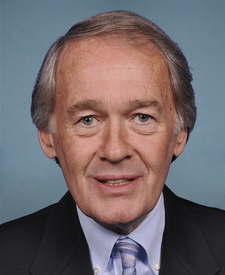
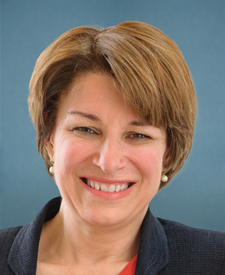
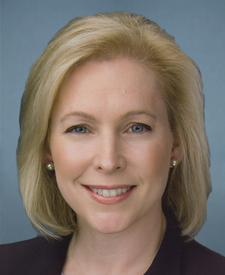
IntroducedMr. Markey (for himself, Ms. Klobuchar, Mrs. Gillibrand, and Mr. …
Stakeholder Effects
cui bono?How this legislation distributes effects. Mention counts reflect frequency, not effect magnitude.
Area agencies on aging, Multipurpose senior centers, Nonprofit organizations serving caregivers
Family caregivers of older adults and Alzheimers patients, Grandparents and relatives raising grandchildren (older relative caregivers), Older relative caregivers (55+ caring for children/disabled)
Higher education institutions with aging/social work programs, Institutions of higher education
Legal assistance providers (estate planning, wills)
State and local government aging services agencies
Bill Structure & Actor Mappings
Who is "The Secretary" in each section?
- "the_assistant_secretary"
- → Assistant Secretary for Aging (Administration for Community Living)
Key Definitions
Terms defined in this bill
An adult family member or other individual who is an informal provider of in-home and community care to an older individual or to an individual with Alzheimers disease or related neurological disorder, or an older relative caregiver. Excludes individuals whose primary relationship is based on a financial or professional agreement.
A caregiver who is age 55 or older, lives with and is the primary caregiver for a child or individual with a disability, and in the case of a child is a grandparent, stepgrandparent, or other non-parent relative raising the child because parents are unable or unwilling.
We use a combination of our own taxonomy and classification in addition to large language models to assess meaning and potential beneficiaries. High confidence means strong textual evidence. Always verify with the original bill text.
Learn more about our methodology