Recognizing the Role of Direct Support Professionals Act
Analysis under review: This bill has generated analysis that may be too generic or incomplete. Clause-level evidence remains available below.
Summary
What This Bill Does:
This bill asks the Office of Management and Budget (OMB) to consider updating their Standard Occupational Classification system. The goal is to create a separate category for direct support professionals who care for people with intellectual or developmental disabilities.
Who Benefits and How:
- Direct Support Professionals: They'll have a distinct occupational code, which could help them advocate for better pay, benefits, and career advancement.
- People with Intellectual/Developmental Disabilities: Better recognition of these professionals might lead to improved services and care for them.
Who Bears the Burden and How:
- OMB: They need to review and potentially update their classification system. This could involve some extra work but won't have significant financial impacts.
- Taxpayers: There are no new costs or taxes associated with this bill, so taxpayers aren't directly burdened.
Key Provisions:
- The OMB must consider creating a separate code for direct support professionals in their next system revision.
- If they decide not to create a separate code, they have to explain why to Congress within 30 days after the system update.
- No new funds are authorized for this change.
Evidence Chain:
This summary is generated from the full bill text using AI analysis. Expand "Detailed Analysis" below for identified beneficiaries/burden bearers.
At a Glance
What This Bill Does
The bill aims to address the critical role of direct support professionals in providing care for individuals with intellectual and developmental disabilities, by advocating for a separate occupational code within the Standard Occupational Classification system.
Key Policy Areas
Healthcare
Primary Purpose
The bill aims to address the critical role of direct support professionals in providing care for individuals with intellectual and developmental disabilities, by advocating for a separate occupational code within the Standard Occupational Classification system.
Policy Domains
Sponsors
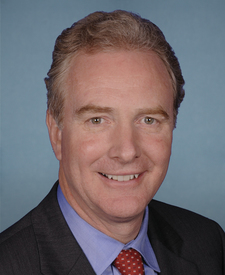
Legislative Progress
In CommitteeMs. Hassan (for herself, Ms. Collins, Ms. Murkowski, Mrs. Gillibrand, …
Read twice and referred to the Committee on Homeland Security …
Introduced in Senate
Stakeholder Effects
cui bono?How this legislation distributes effects. Mention counts reflect frequency, not effect magnitude.
Bill Structure & Actor Mappings
Who is "The Secretary" in each section?
We use a combination of our own taxonomy and classification in addition to large language models to assess meaning and potential beneficiaries. High confidence means strong textual evidence. Always verify with the original bill text.
Learn more about our methodology