To amend the Communications Act of 1934 to add access to telecommunications and information services in Indian country and areas with high populations of Indian people to the universal service principle relating to access to those services in rural, insular, and high cost areas.
Analysis under review: This bill has generated analysis that may be too generic or incomplete. Clause-level evidence remains available below.
Summary
What This Bill Does
This bill expands the federal universal service principle for telecommunications to explicitly include Indian country and areas with high populations of Native Americans. Under current law, the FCC must ensure affordable telecommunications access to rural, insular, and high-cost areas; this bill adds tribal areas to that mandate.
Who Benefits and How
Native American communities in Indian country and areas with high Indigenous populations benefit by gaining explicit inclusion in the universal service framework, which could mean improved access to telecommunications and internet services. Telecommunications providers serving these areas may become eligible for Universal Service Fund subsidies to offset the cost of building and maintaining infrastructure in underserved tribal areas.
Who Bears the Burden and How
Telecommunications carriers that contribute to the Universal Service Fund may see increased contribution obligations if fund expenditures grow to cover newly-included tribal areas. The FCC faces additional regulatory responsibilities to implement policies ensuring service to these areas.
Key Provisions
- Amends Section 254(b)(3) of the Communications Act of 1934 to add Indian country to universal service requirements
- Defines Indian country by reference to 18 U.S.C. 1151
- Defines Indian persons by reference to the Indian Reorganization Act (25 U.S.C. 5129)
Evidence Chain:
This summary is generated from the full bill text using AI analysis. Expand "Detailed Analysis" below for identified beneficiaries/burden bearers.
At a Glance
What This Bill Does
Expands universal telecommunications service requirements to include Indian country and areas with high populations of Indian people
Key Policy Areas
Telecommunications, Native American Affairs, Rural Development
Primary Purpose
Expands universal telecommunications service requirements to include Indian country and areas with high populations of Indian people
Policy Domains
Main Bill
Identified Gains
Contextual inference, no direct clause citation- Native American communities
- Tribal telecommunications providers
- Rural telecommunications carriers serving tribal areas
Contextual inference, no direct clause citation
Identified Costs
Contextual inference, no direct clause citation- Universal Service Fund contributors
- FCC
Contextual inference, no direct clause citation
Legislative Progress
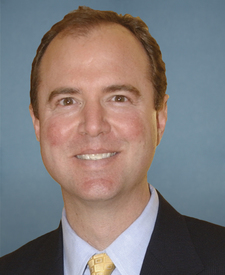
IntroducedMr. Schiff introduced the following bill; which was read twice …
Impact analysis is available but no clear stakeholder effects identified. View clause-level analysis →
Bill Structure & Actor Mappings
Who is "The Secretary" in each section?
- "the_commission"
- → Federal Communications Commission (FCC)
Key Definitions
Terms defined in this bill
As defined in section 1151 of title 18, United States Code
As defined in section 19 of the Indian Reorganization Act (25 U.S.C. 5129)
We use a combination of our own taxonomy and classification in addition to large language models to assess meaning and potential beneficiaries. High confidence means strong textual evidence. Always verify with the original bill text.
Learn more about our methodology