To provide for appropriate limitations on military deployments, and for other purposes.
Analysis under review: This bill has generated analysis that may be too generic or incomplete. Clause-level evidence remains available below.
Summary
What This Bill Does
Creates expedited congressional procedures to terminate exceptions to the Posse Comitatus Act and separately appropriates money for state and local law-enforcement support while limiting use for federal assignments.
Who Benefits and How
Congress and civil-liberties stakeholders could gain a faster way to stop certain domestic military deployments, and state and local law-enforcement programs could receive new grant funding.
Who Bears the Burden and How
The executive branch and the military could face added deployment constraints, while federal taxpayers would finance the new grant appropriations.
Key Provisions
- Creates an expedited joint-resolution process for Congress to disapprove certain domestic military deployments.
- Adds severability and no-inference language around congressional use or nonuse of the process.
- Appropriates funding for Byrne JAG, community violence intervention, emergency law-enforcement assistance, and police hiring while barring use for assigning federal officers to states and localities.
Evidence Chain:
This summary is generated from the full bill text using AI analysis. Expand "Detailed Analysis" below for identified beneficiaries/burden bearers.
At a Glance
What This Bill Does
Creates expedited congressional procedures to terminate exceptions to the Posse Comitatus Act and separately appropriates money for state and local law-enforcement support while limiting use for federal assignments.
Key Policy Areas
Civil Liberties, Law Enforcement, Defense
Primary Purpose
Creates expedited congressional procedures to terminate exceptions to the Posse Comitatus Act and separately appropriates money for state and local law-enforcement support while limiting use for federal assignments.
Policy Domains
Main Provisions
Identified Gains
Contextual inference, no direct clause citation- Congress and civil-liberties stakeholders seeking stronger checks on domestic troop deployments
- State and local law-enforcement recipients of the new appropriations
Contextual inference, no direct clause citation
Identified Costs
Contextual inference, no direct clause citation- Executive-branch actors relying on deployment exceptions
- Federal taxpayers financing the new law-enforcement appropriations
Contextual inference, no direct clause citation
Sponsors
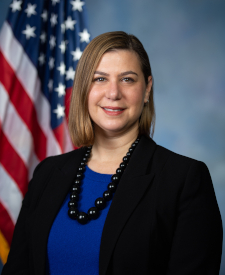

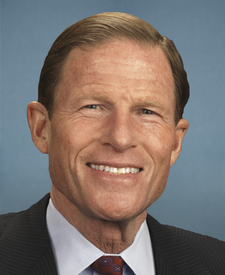
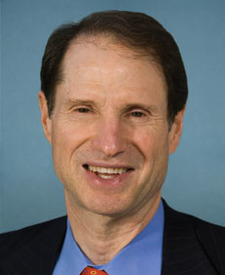

Legislative Progress
IntroducedMs. Slotkin (for herself, Mr. Kelly, Ms. Duckworth, Mr. Blumenthal, …
Stakeholder Effects
cui bono?How this legislation distributes effects. Mention counts reflect frequency, not effect magnitude.
Congress using a faster process to disapprove domestic military deployments
Civil-liberties stakeholders concerned about domestic troop deployments
State and local law-enforcement agencies receiving grant funding
Federal taxpayers financing the new law-enforcement appropriations
Bill Structure & Actor Mappings
Who is "The Secretary" in each section?
We use a combination of our own taxonomy and classification in addition to large language models to assess meaning and potential beneficiaries. High confidence means strong textual evidence. Always verify with the original bill text.
Learn more about our methodology