To provide for interagency tabletop exercises to assess the impacts of Department of Defense decisions during crises and evaluate United States Government tools available to augment Department of Defense capabilities in competition, crisis, and conflict, and for other purposes.
Analysis under review: This bill has generated analysis that may be too generic or incomplete. Clause-level evidence remains available below.
Summary
What This Bill Does
The bill requires the Secretary of Defense to invite economic agencies (Treasury, Commerce, Transportation, USTR, NEC) and private sector representatives to participate in unclassified DoD tabletop exercises to assess economic. It relies on reporting requirements and compliance mandates. The main policy areas are Defense and National Defense.
Who Benefits and How
Defense contractors and national security consultants could gain revenue opportunities.
Who Bears the Burden and How
Department of Defense would take on compliance duties.
Key Provisions
- Requires the Secretary of Defense to invite economic agencies (Treasury, Commerce, Transportation, USTR, NEC) and private sector representatives to participate in unclassified DoD tabletop exercises to assess economic...
Evidence Chain:
This summary is generated from the full bill text using AI analysis. Expand "Detailed Analysis" below for identified beneficiaries/burden bearers with clause-level evidence links.
At a Glance
What This Bill Does
The bill requires the Secretary of Defense to invite economic agencies (Treasury, Commerce, Transportation, USTR, NEC) and private sector representatives to participate in unclassified DoD tabletop exercises to assess economic.
Key Policy Areas
Defense, National Defense
Primary Purpose
The bill requires the Secretary of Defense to invite economic agencies (Treasury, Commerce, Transportation, USTR, NEC) and private sector representatives to participate in unclassified DoD tabletop exercises to assess economic.
Policy Domains
Section 1 - Interagency Tabletop Exercises
Identified Gains
- Defense contractors and national security consultants
Identified Costs
- Department of Defense
Legislative Progress
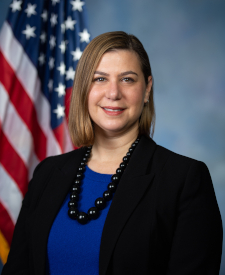
IntroducedMs. Slotkin introduced the following bill; which was read twice …
Stakeholder Effects
cui bono?How this legislation distributes effects. Mention counts reflect frequency, not effect magnitude.
Department of Defense, Economic agencies (Treasury, Commerce, Transportation, USTR, NEC)
Bill Structure & Actor Mappings
Who is "The Secretary" in each section?
- "the_secretary"
- → Secretary of Defense
Key Definitions
Terms defined in this bill
As defined in section 101(a) of title 10, United States Code
We use a combination of our own taxonomy and classification in addition to large language models to assess meaning and potential beneficiaries. High confidence means strong textual evidence. Always verify with the original bill text.
Learn more about our methodology