To require the Secretary of Transportation to issue a rule requiring access to AM broadcast stations in passenger motor vehicles, and for other purposes.
Summary
What This Bill Does
The AM Radio for Every Vehicle Act requires a federal rule ensuring that new passenger motor vehicles can receive AM broadcast stations. It treats AM radio as emergency communications infrastructure, requires DOT consultation with FEMA and FCC, and requires consumer disclosures for vehicles that do not provide AM access during the transition.
Who Benefits and How
Vehicle buyers benefit because they can know whether a passenger vehicle includes AM radio access before purchase. AM broadcasters benefit because automakers must preserve access to AM stations in covered vehicles. Emergency managers benefit because AM radio remains available as a backup channel for alerts during disasters. Rural drivers benefit because AM signals can travel long distances where broadband or FM coverage is limited.
Who Bears the Burden and How
Automakers must include AM broadcast access or comply with disclosure and implementation rules. DOT must issue the rule and coordinate with FEMA and FCC. FEMA must advise on emergency-alert implications of AM access in vehicles. FCC must coordinate on the broadcast-band and station-access aspects of the rule.
Key Provisions
- Defines AM broadcast band, passenger motor vehicle, and responsible federal officials.
- Requires DOT to issue a rule mandating AM station access in new passenger vehicles.
- Requires consultation with FEMA and FCC.
- Requires disclosures when a vehicle does not provide AM broadcast access before the rule fully applies.
Evidence Chain:
This summary is generated from the full bill text using AI analysis. Expand "Detailed Analysis" below for identified beneficiaries/burden bearers with clause-level evidence links.
At a Glance
What This Bill Does
Requires DOT, in consultation with FEMA and FCC, to mandate access to AM broadcast stations in new passenger motor vehicles and disclose when vehicles lack AM access.
Key Policy Areas
Transportation, Emergency Communications, Broadcasting
Primary Purpose
Requires DOT, in consultation with FEMA and FCC, to mandate access to AM broadcast stations in new passenger motor vehicles and disclose when vehicles lack AM access.
Policy Domains
Bill provisions
Identified Gains
- Vehicle buyers
- AM radio station operators
- Emergency management agencies
- Rural driver communities
Identified Costs
- Automotive manufacturers
- DOT
- FEMA
- FCC staff
Sponsors
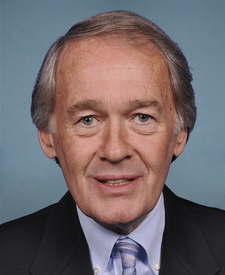



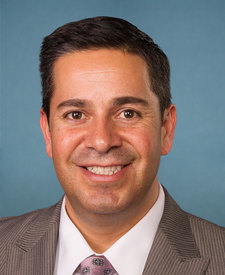
Legislative Progress
ReportedReported by Mr. Cruz, with an amendment
Mr. Markey (for himself, Mr. Cruz, Ms. Baldwin, Mr. Banks, …
Mr. Markey (for himself, Mr. Cruz, Ms. Baldwin, Mr. Banks, …
Stakeholder Effects
cui bono?How this legislation distributes effects. Mention counts reflect frequency, not effect magnitude.
Bill Structure & Actor Mappings
Who is "The Secretary" in each section?
- "secretary"
- → Secretary of Transportation
- "commission"
- → Federal Communications Commission
- "administrator"
- → FEMA Administrator
We use a combination of our own taxonomy and classification in addition to large language models to assess meaning and potential beneficiaries. High confidence means strong textual evidence. Always verify with the original bill text.
Learn more about our methodology