To provide for continuing appropriations for Head Start programs.
Analysis under review: This bill has generated analysis that may be too generic or incomplete. Clause-level evidence remains available below.
Summary
What This Bill Does
The bill provides continuing appropriations for Head Start programs in FY2026, sets termination rules for the temporary authority or funding, and provides charge expenditures to future applicable appropriations. It relies on appropriations. The main policy areas are Education.
Who Benefits and How
Low-income families with young children could see lower costs and Head Start program grantees could gain revenue opportunities.
Who Bears the Burden and How
Federal taxpayers could face higher costs and Department of Health and Human Services would take on compliance duties.
Key Provisions
- Provides continuing appropriations for Head Start programs in FY2026.
- Sets termination rules for the temporary authority or funding.
- Provides charge expenditures to future applicable appropriations.
Evidence Chain:
This summary is generated from the full bill text using AI analysis. Expand "Detailed Analysis" below for identified beneficiaries/burden bearers with clause-level evidence links.
At a Glance
What This Bill Does
The bill provides continuing appropriations for Head Start programs in FY2026, sets termination rules for the temporary authority or funding, and provides charge expenditures to future applicable appropriations.
Key Policy Areas
Education
Primary Purpose
The bill provides continuing appropriations for Head Start programs in FY2026, sets termination rules for the temporary authority or funding, and provides charge expenditures to future applicable appropriations.
Policy Domains
Continuing Appropriations for Head Start
Identified Gains
- Low-income families with young children
- Head Start program grantees
Identified Costs
- Federal taxpayers
- Department of Health and Human Services
Sponsors
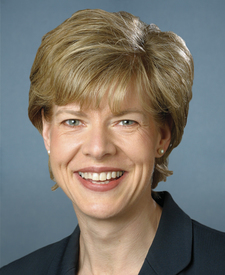
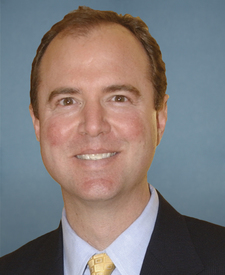
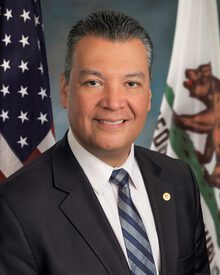


Legislative Progress
IntroducedMs. Baldwin (for herself, Mr. Markey, Mr. Wyden, Mr. Heinrich, …
Stakeholder Effects
cui bono?How this legislation distributes effects. Mention counts reflect frequency, not effect magnitude.
General public, Low-income families with young children, Taxpayers
Positive-direction: Low-income families with young children
Negative-direction: Taxpayers
Department of Health and Human Services, Federal budget accounts
Bill Structure & Actor Mappings
Who is "The Secretary" in each section?
We use a combination of our own taxonomy and classification in addition to large language models to assess meaning and potential beneficiaries. High confidence means strong textual evidence. Always verify with the original bill text.
Learn more about our methodology